









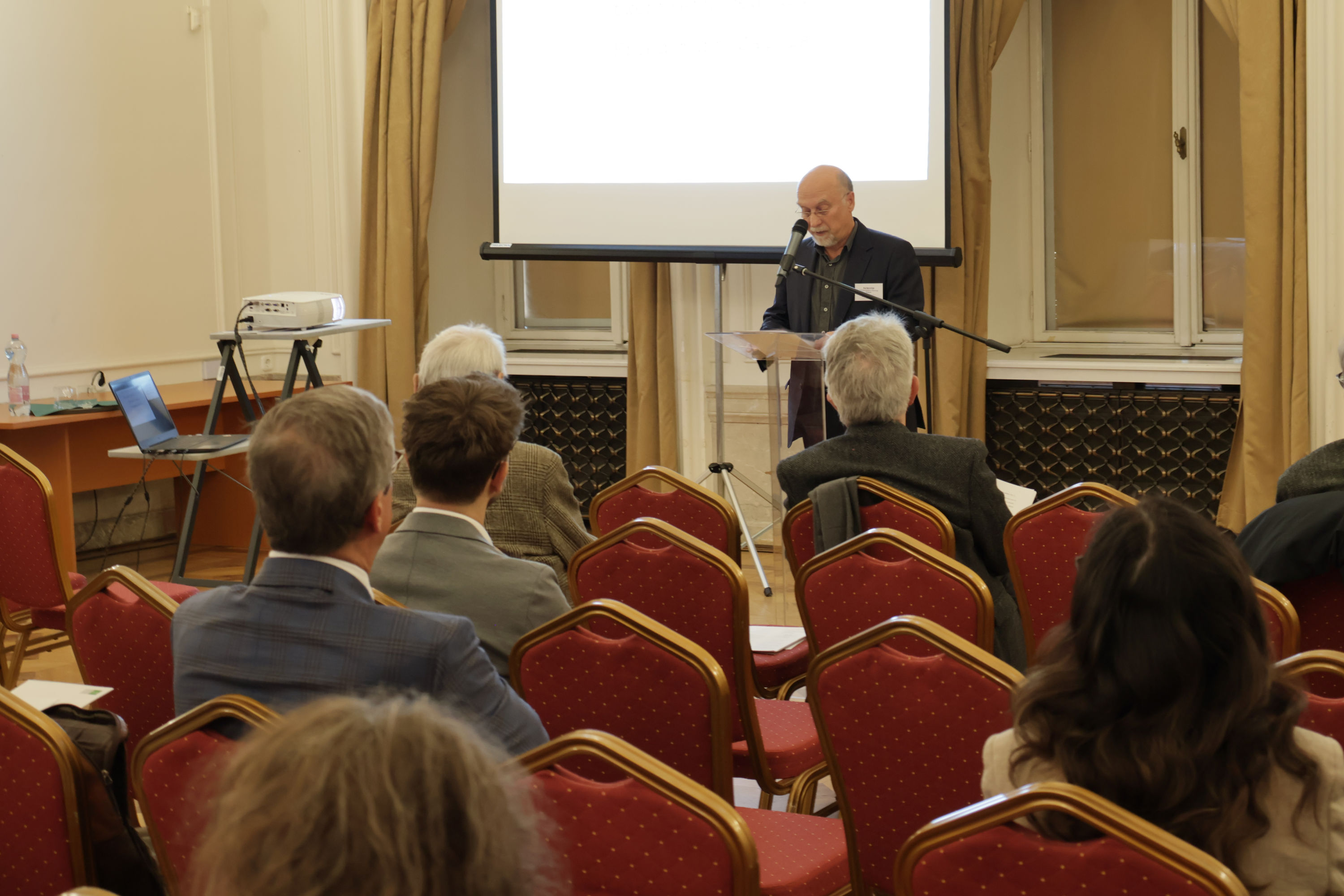
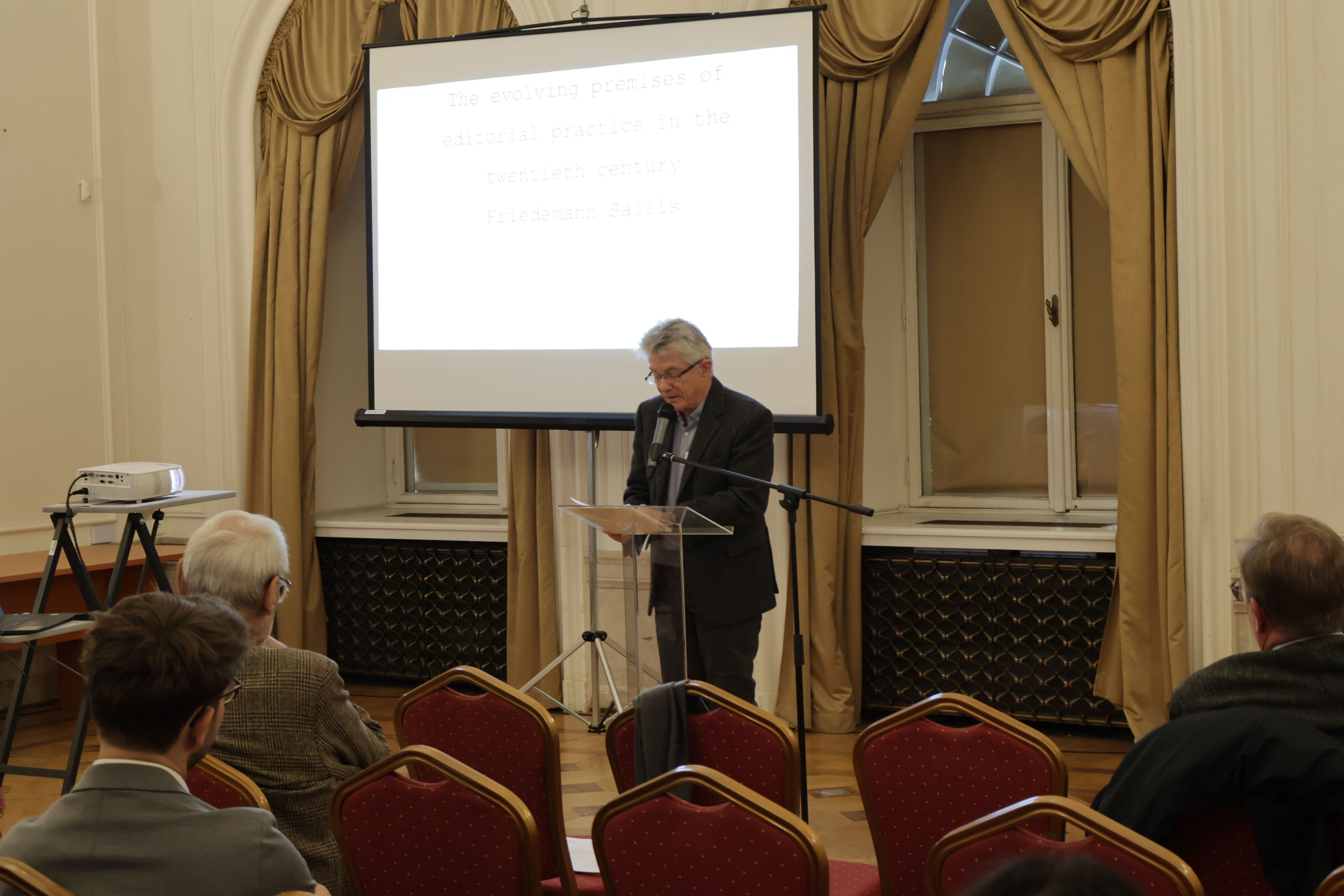
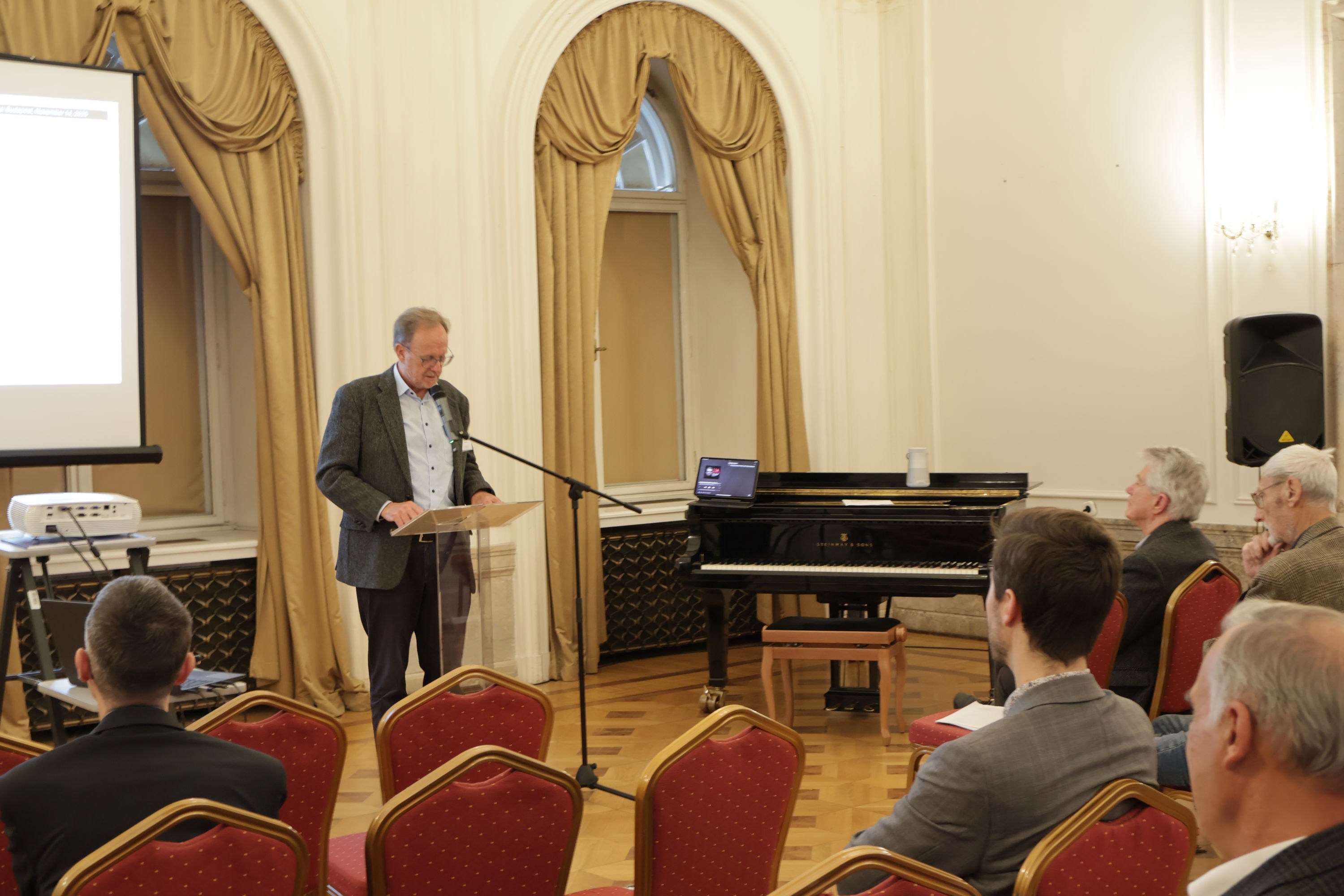
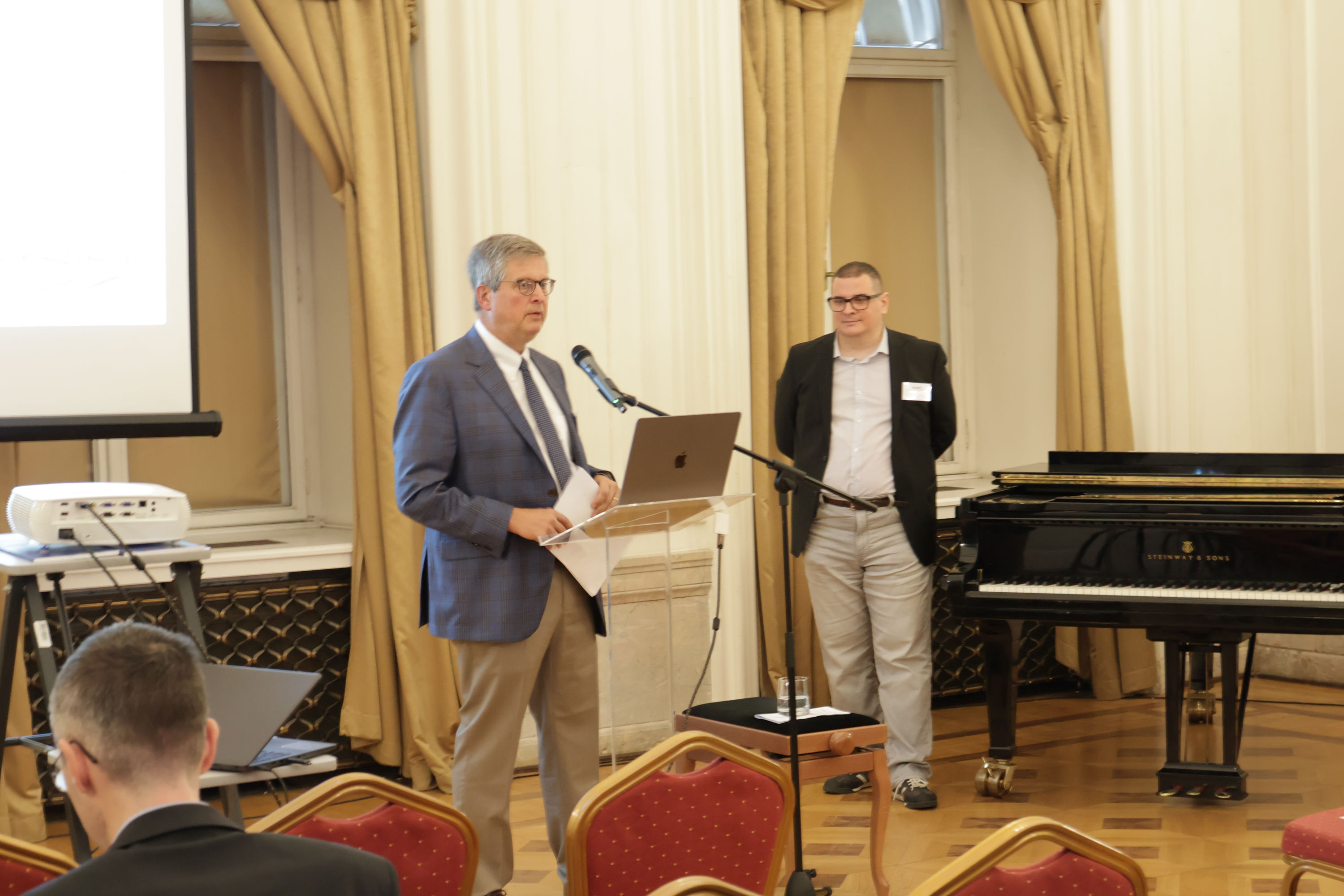
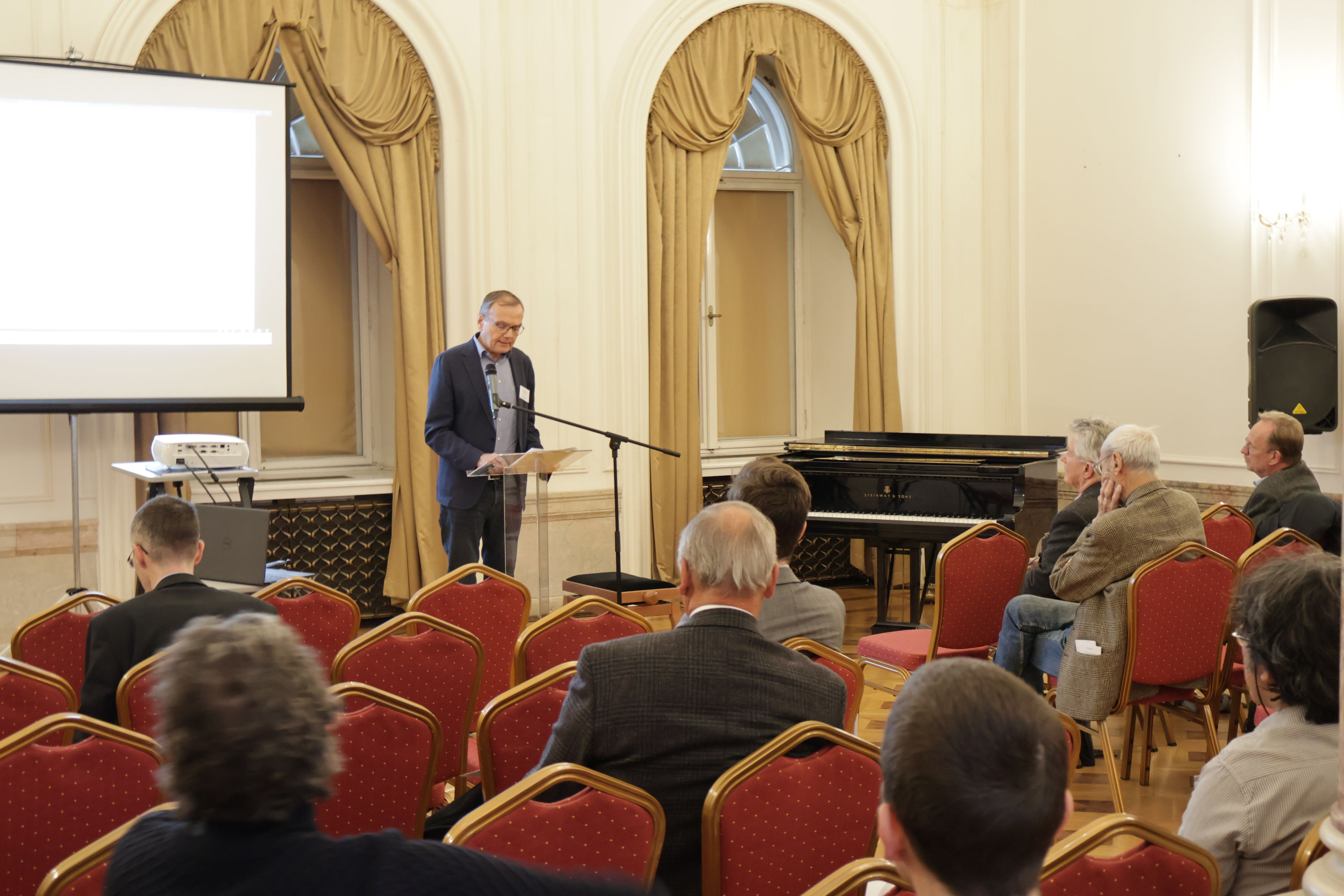
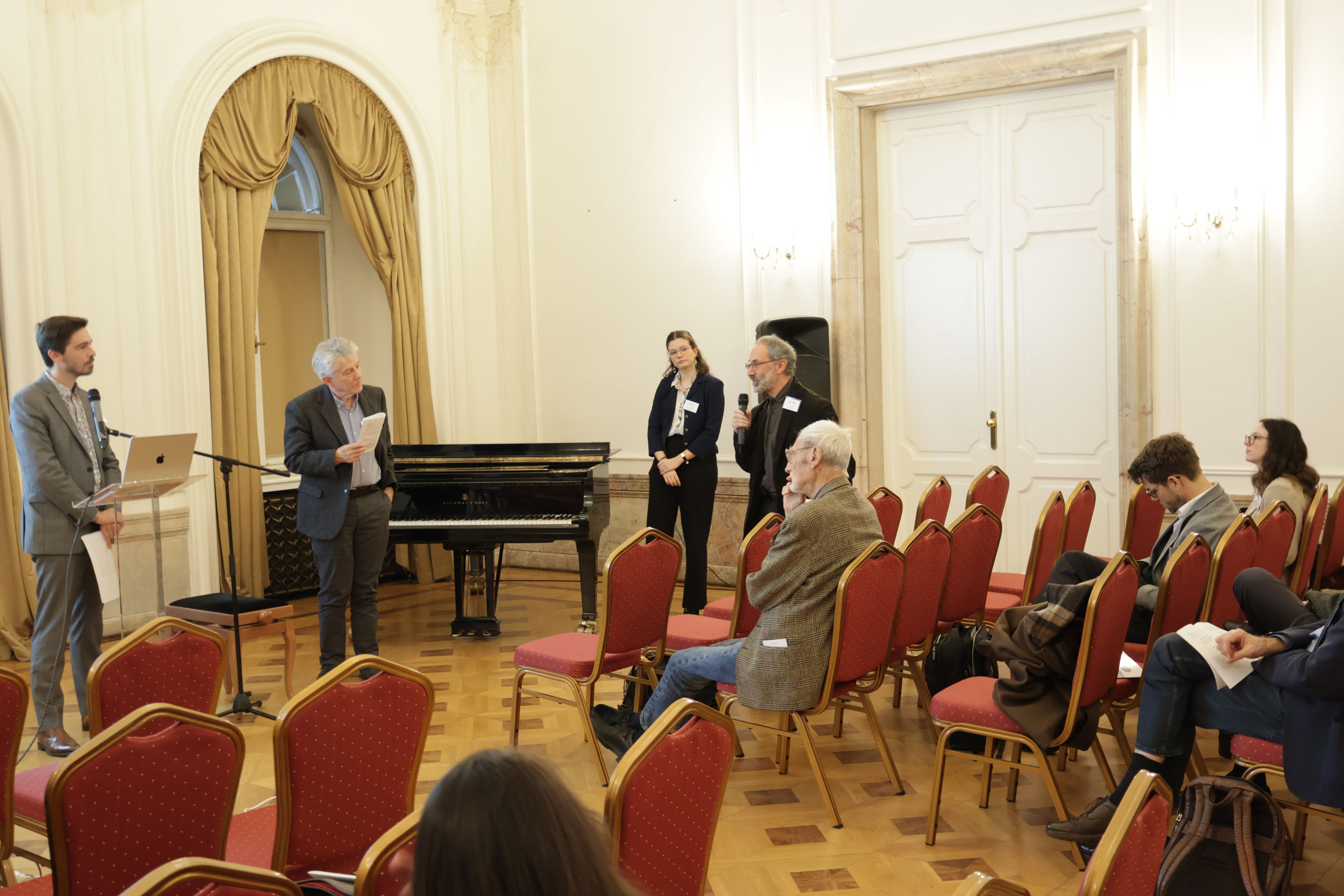
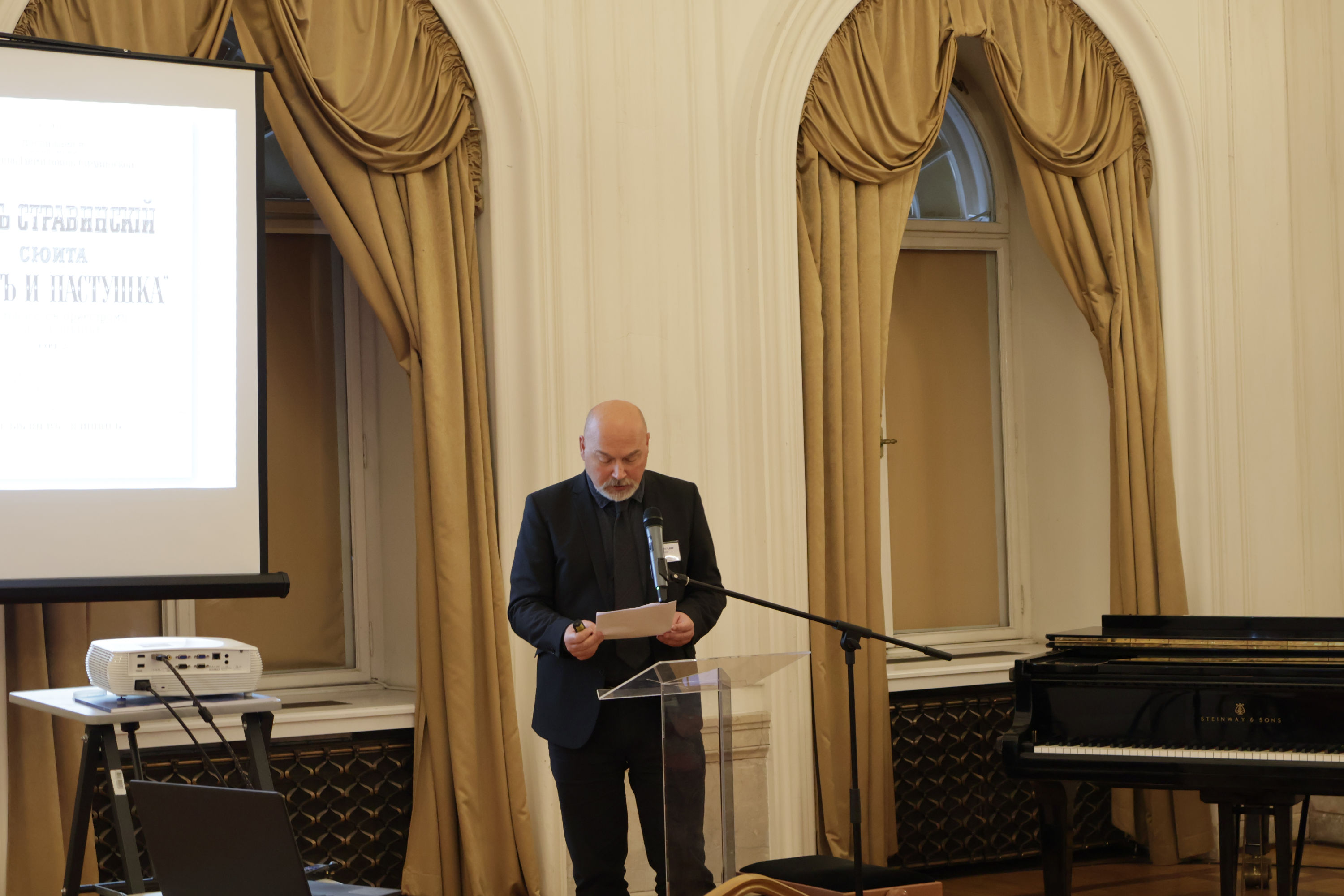
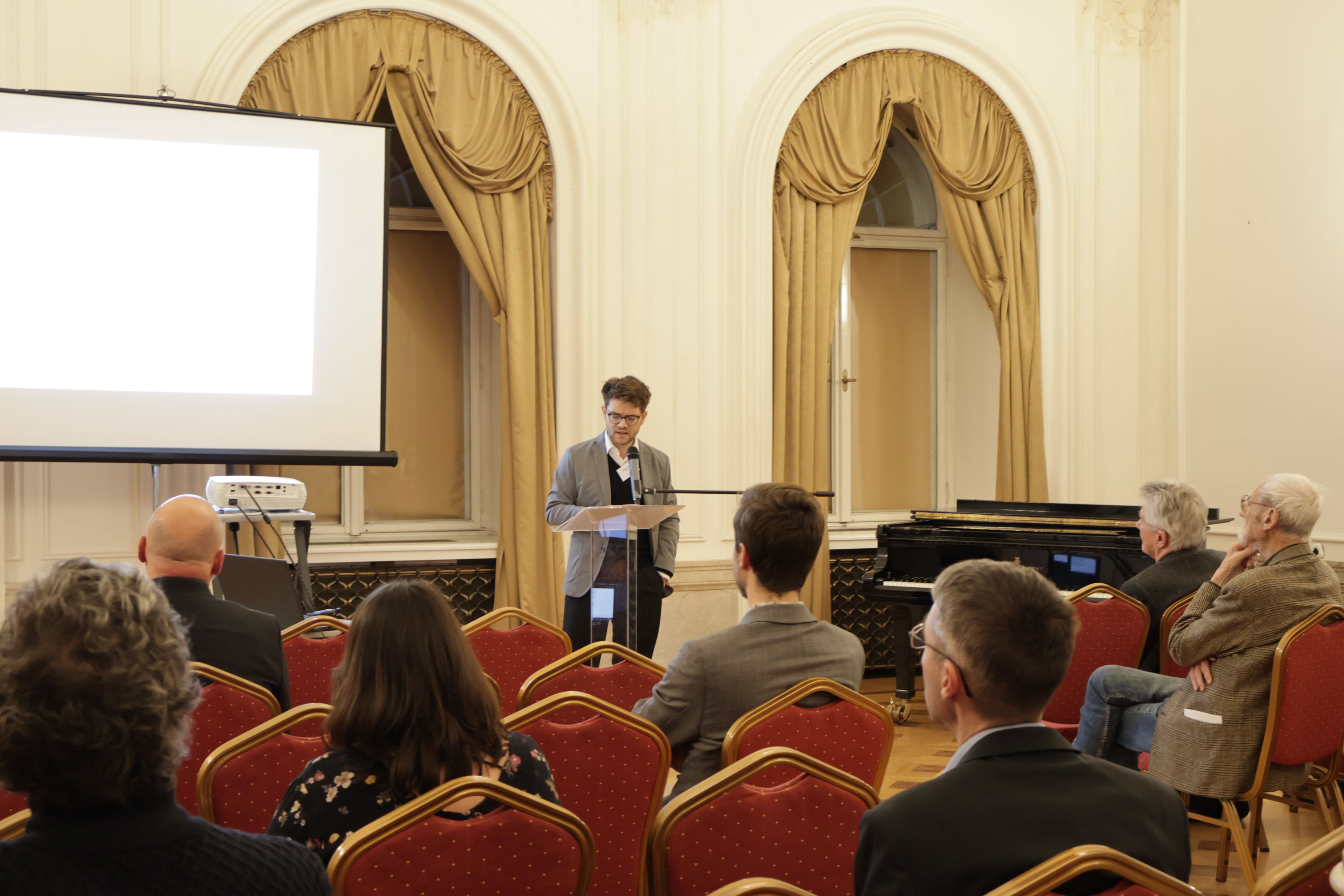
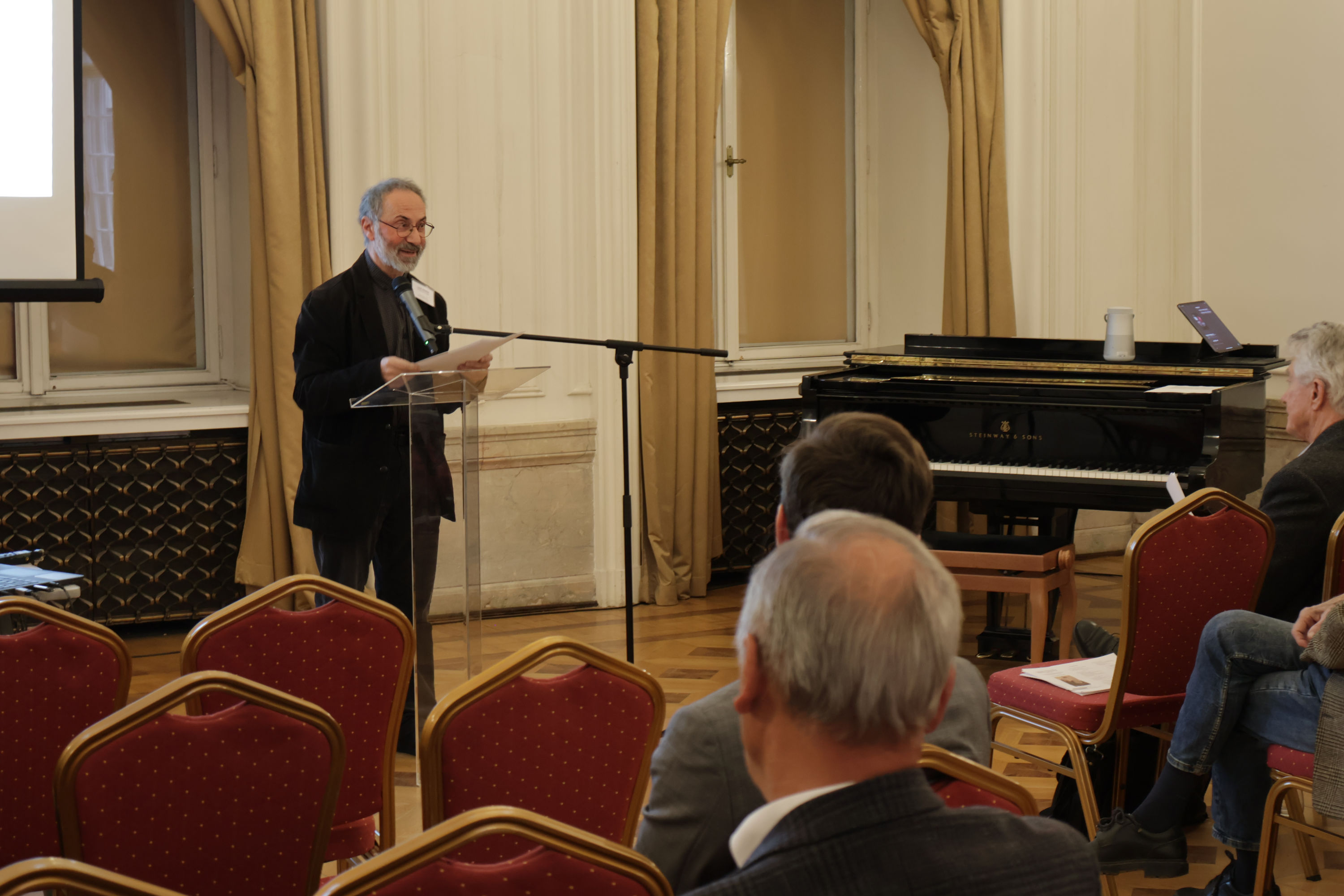
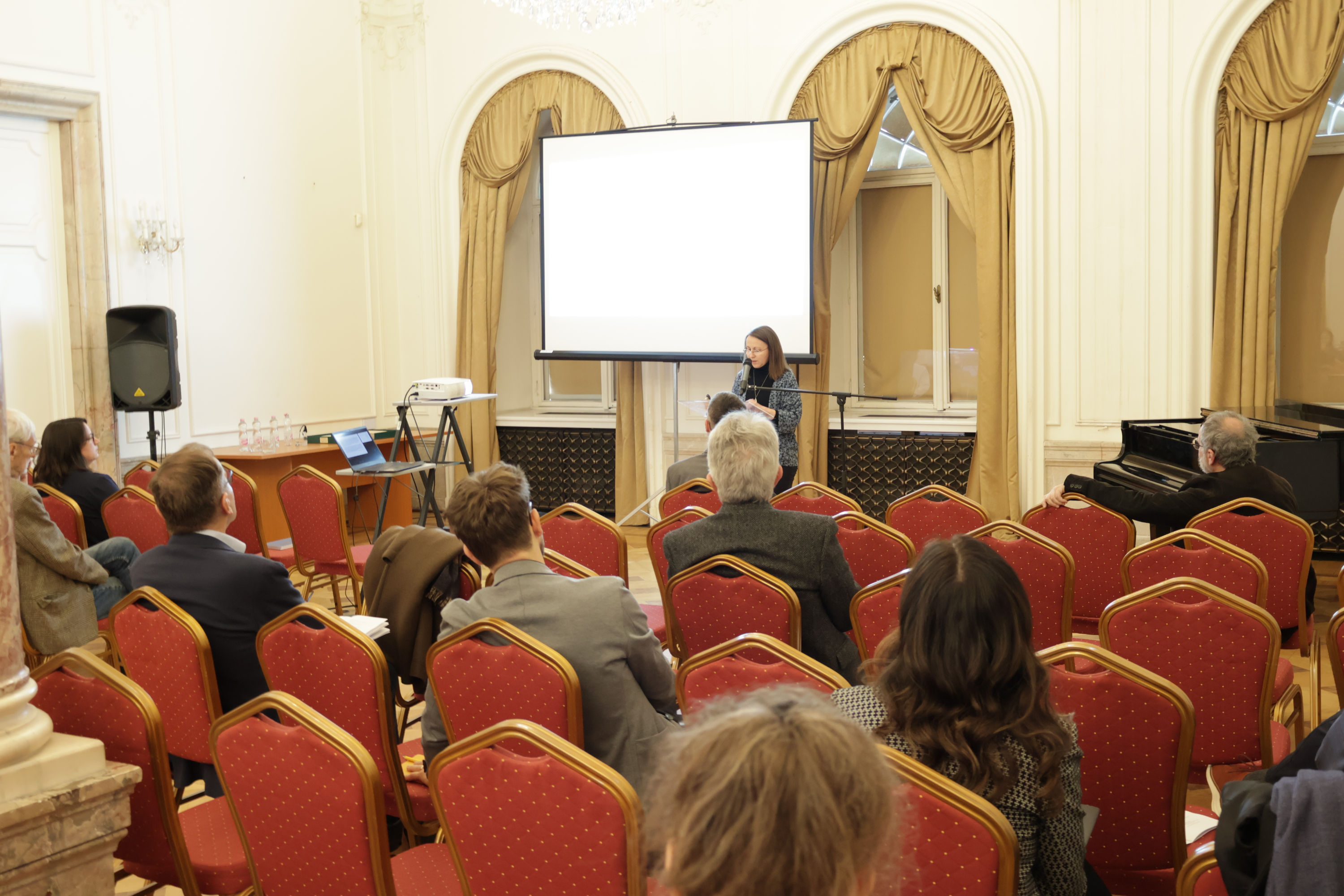
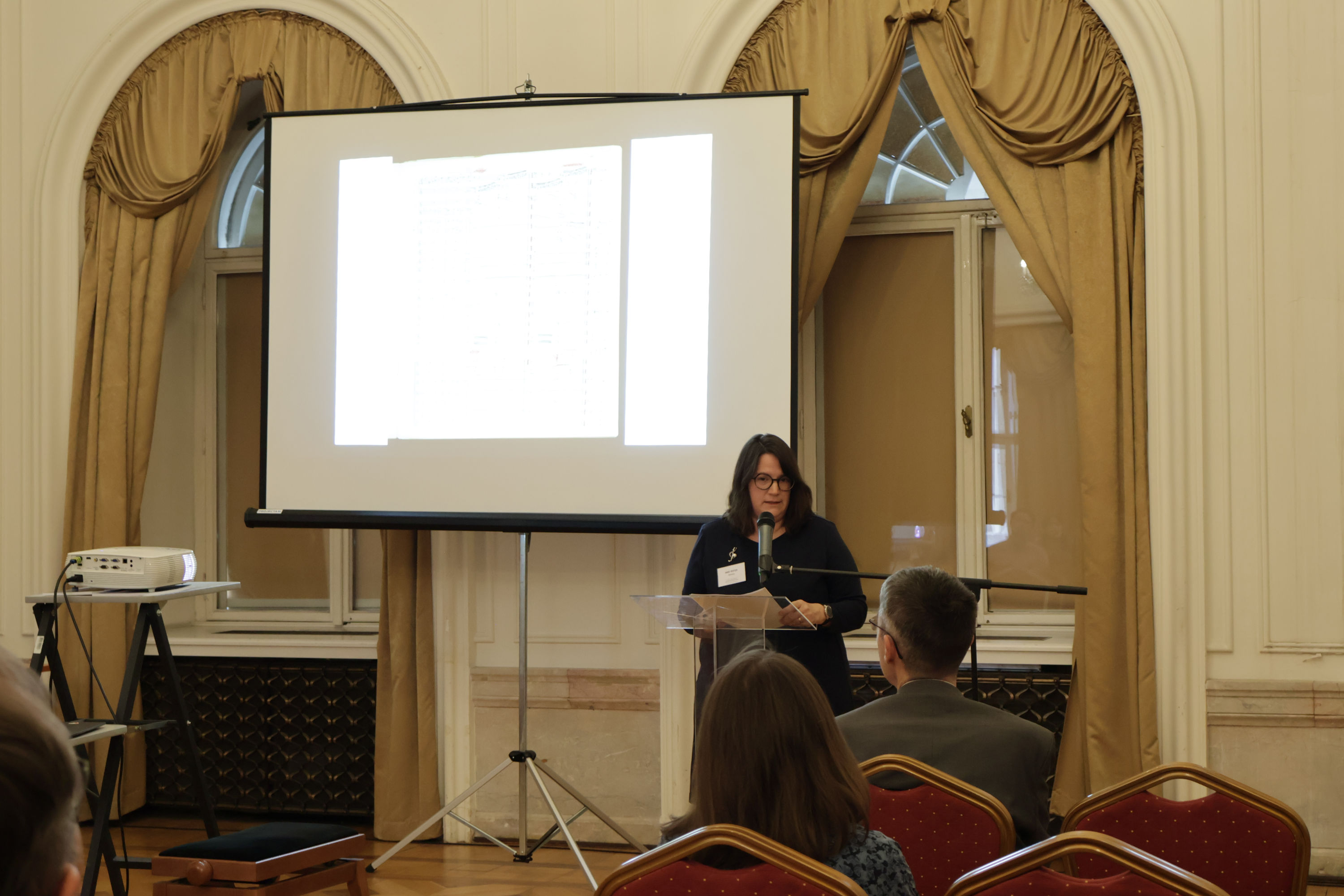
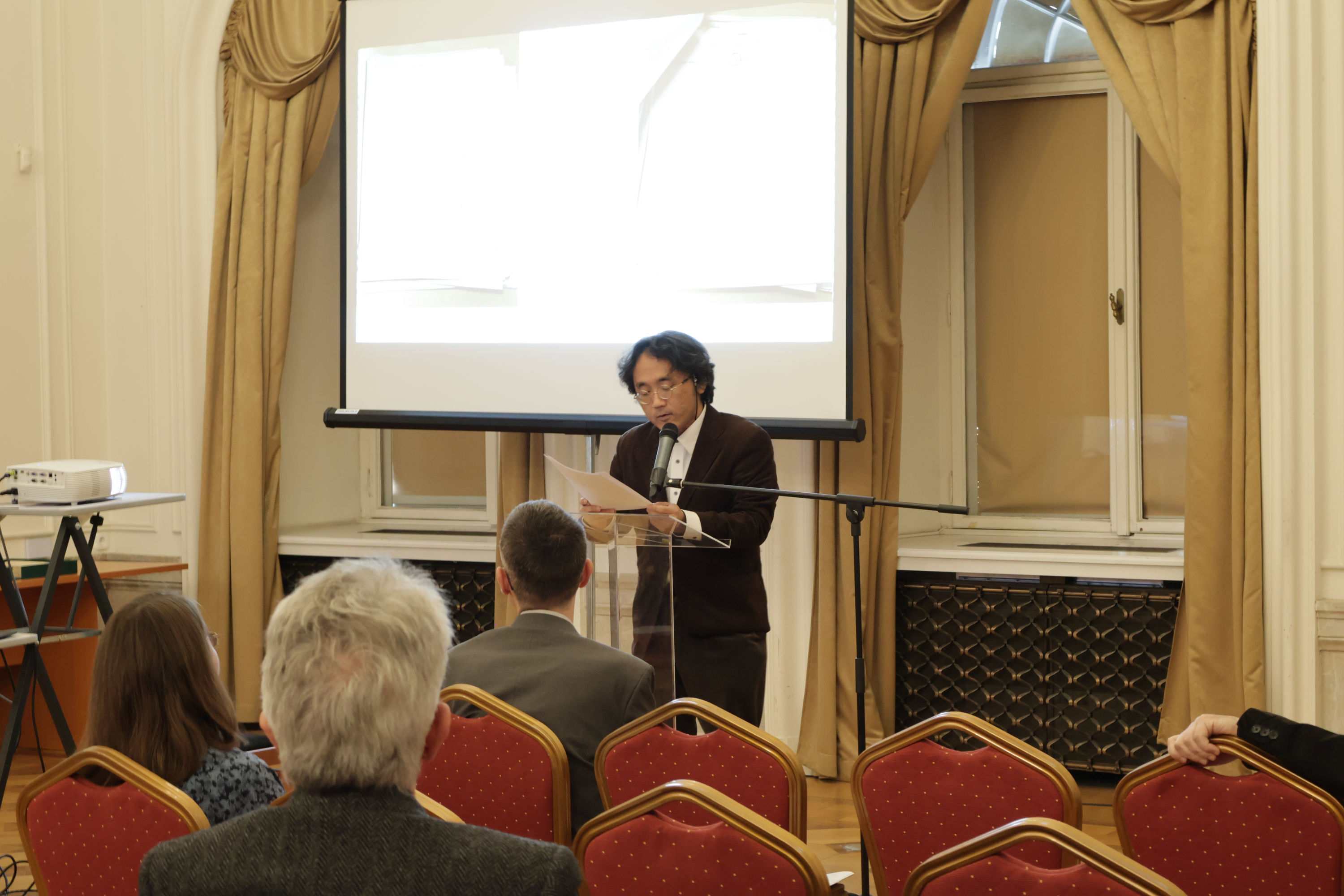
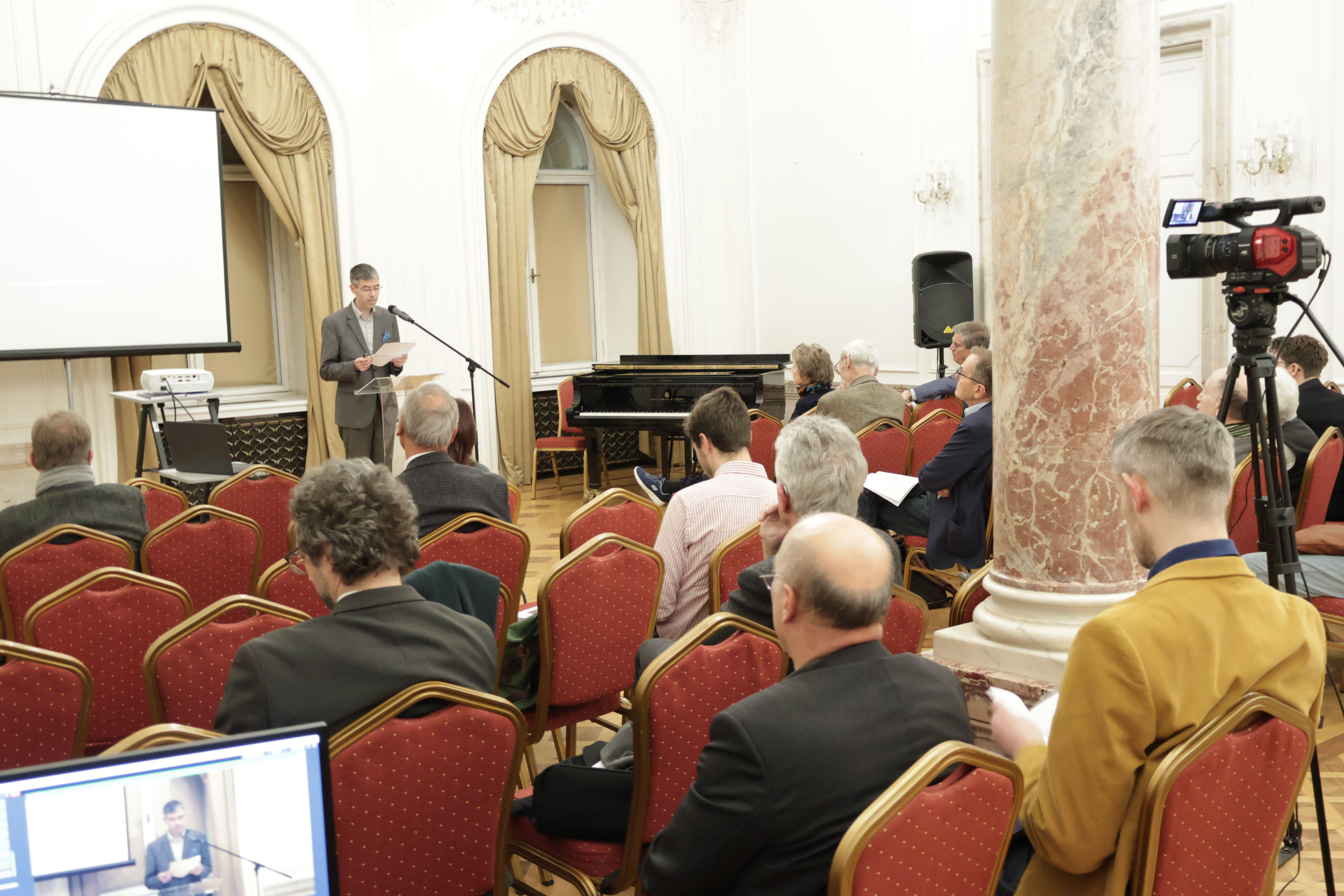
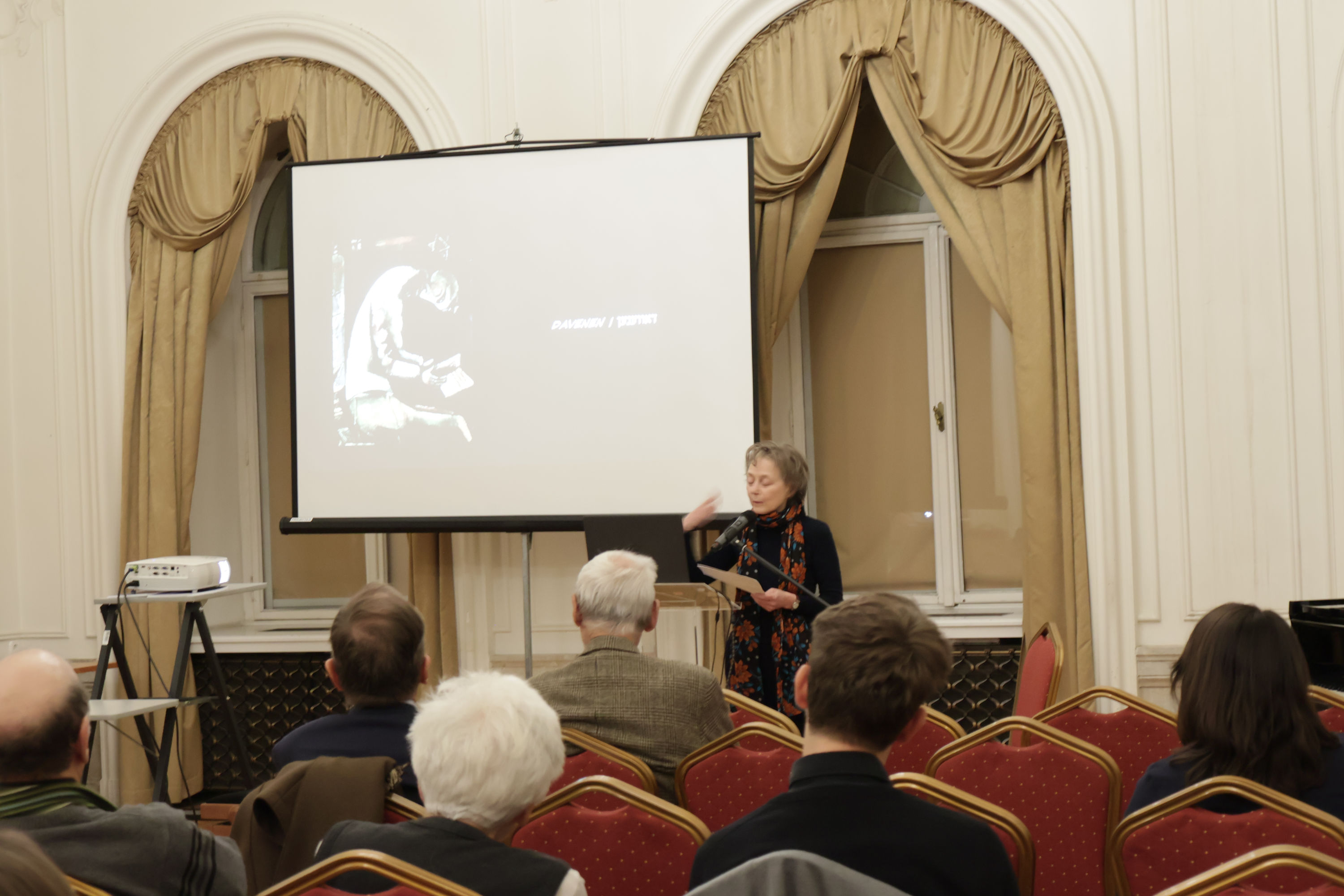
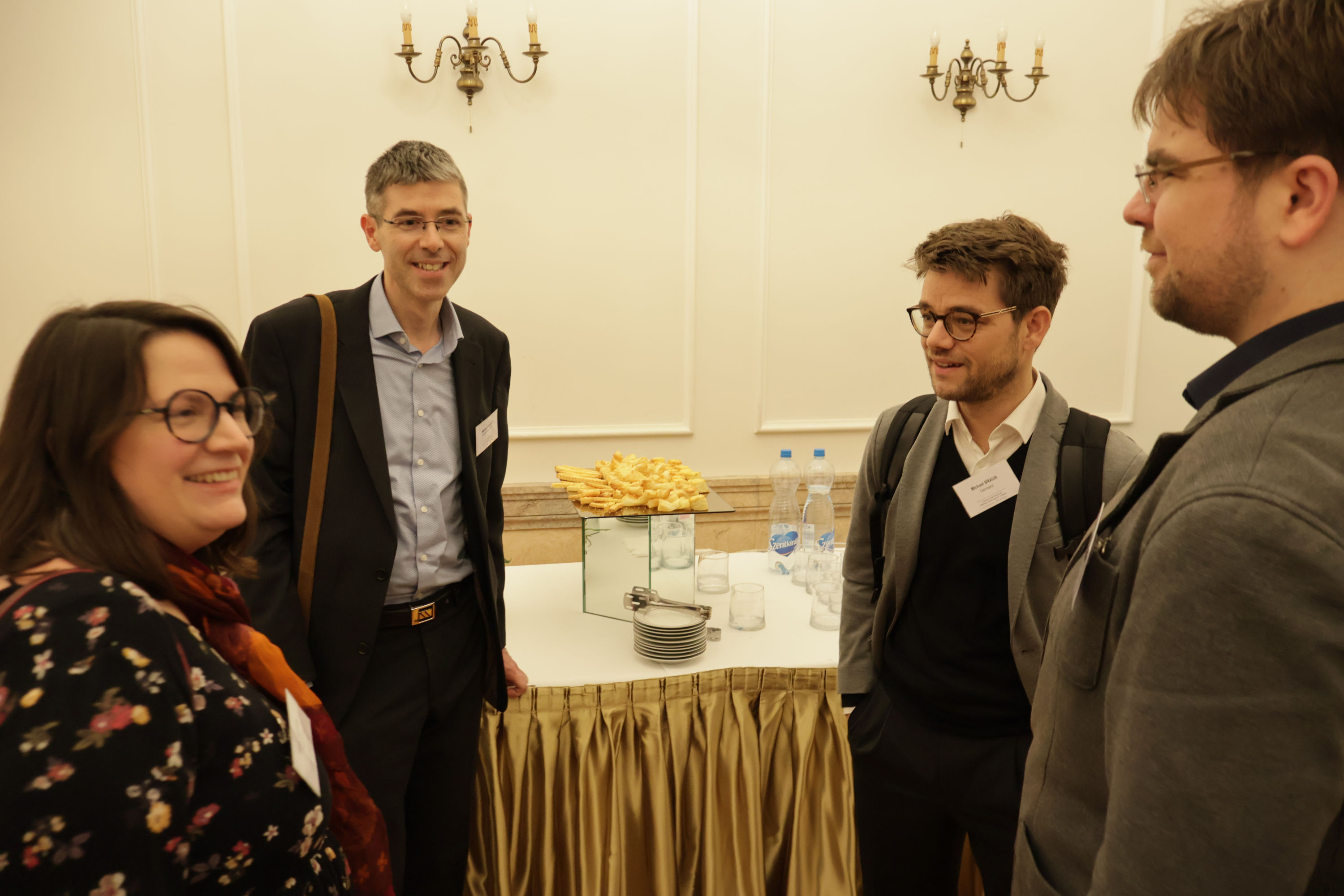
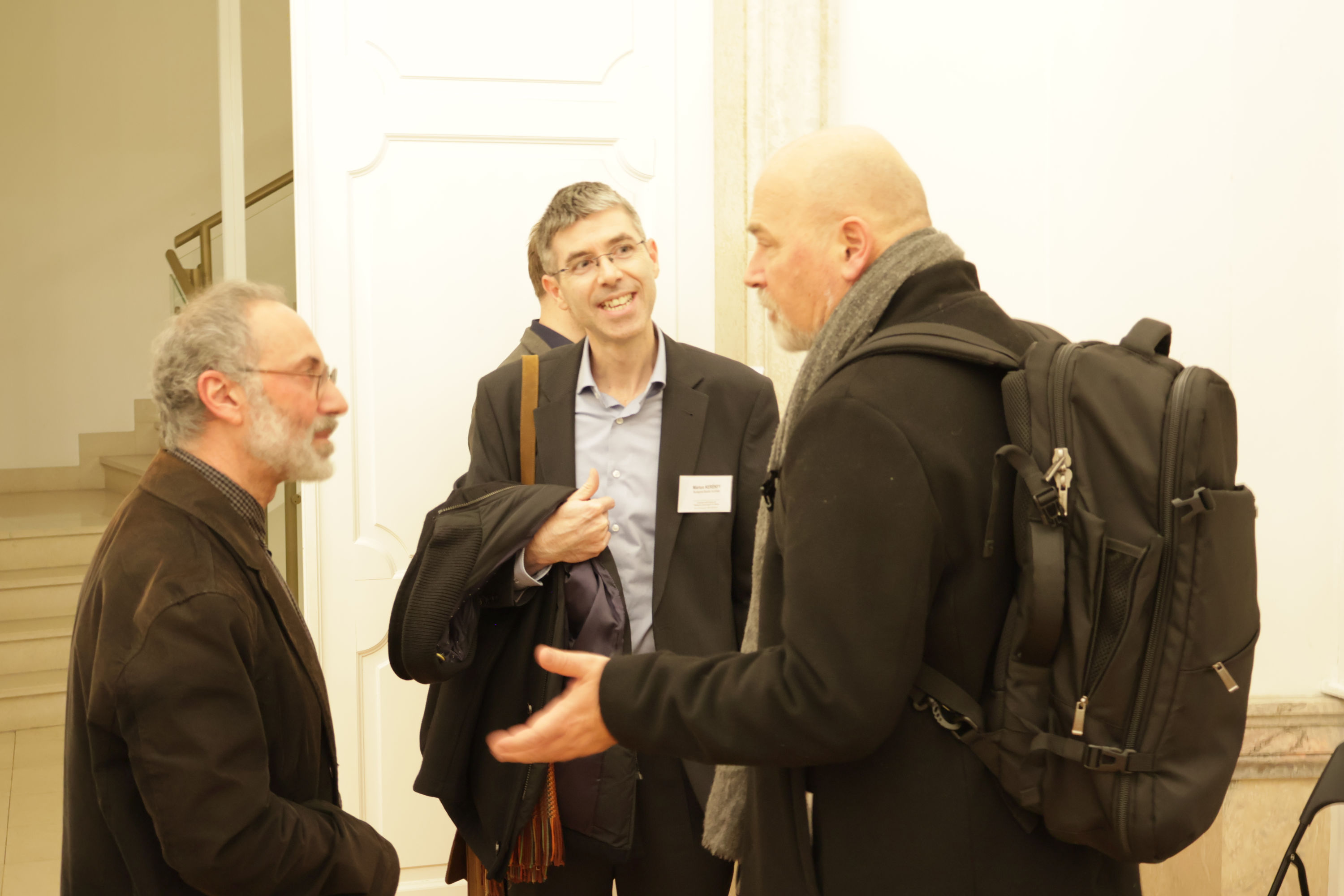
The Budapest Bartók Archives organized an engaging scholarly meeting discussing questions on “authenticity” in editing music, with the participation of distinguished scholars from abroad – held against the backdrop of the Béla Bartók Complete Critical Edition (being published by G. Henle Verlag, Munich and Editio Musica Budapest) announced ten years ago. The conference, which took place on 14 and 15 November 2025 at the Institute for Musicology, ELTE Research Centre for the Humanities, covered a wide range of topics, from Mozart to Bartók and from source analysis to traditional music repertoire. While the central idea of the conference was the notion of “authentic editions” and the criteria necessary for the realization of such an ideal, the papers presented at the four thematic sessions of the symposium offered thought-provoking approaches to various aspects of the concept of “authenticity”.
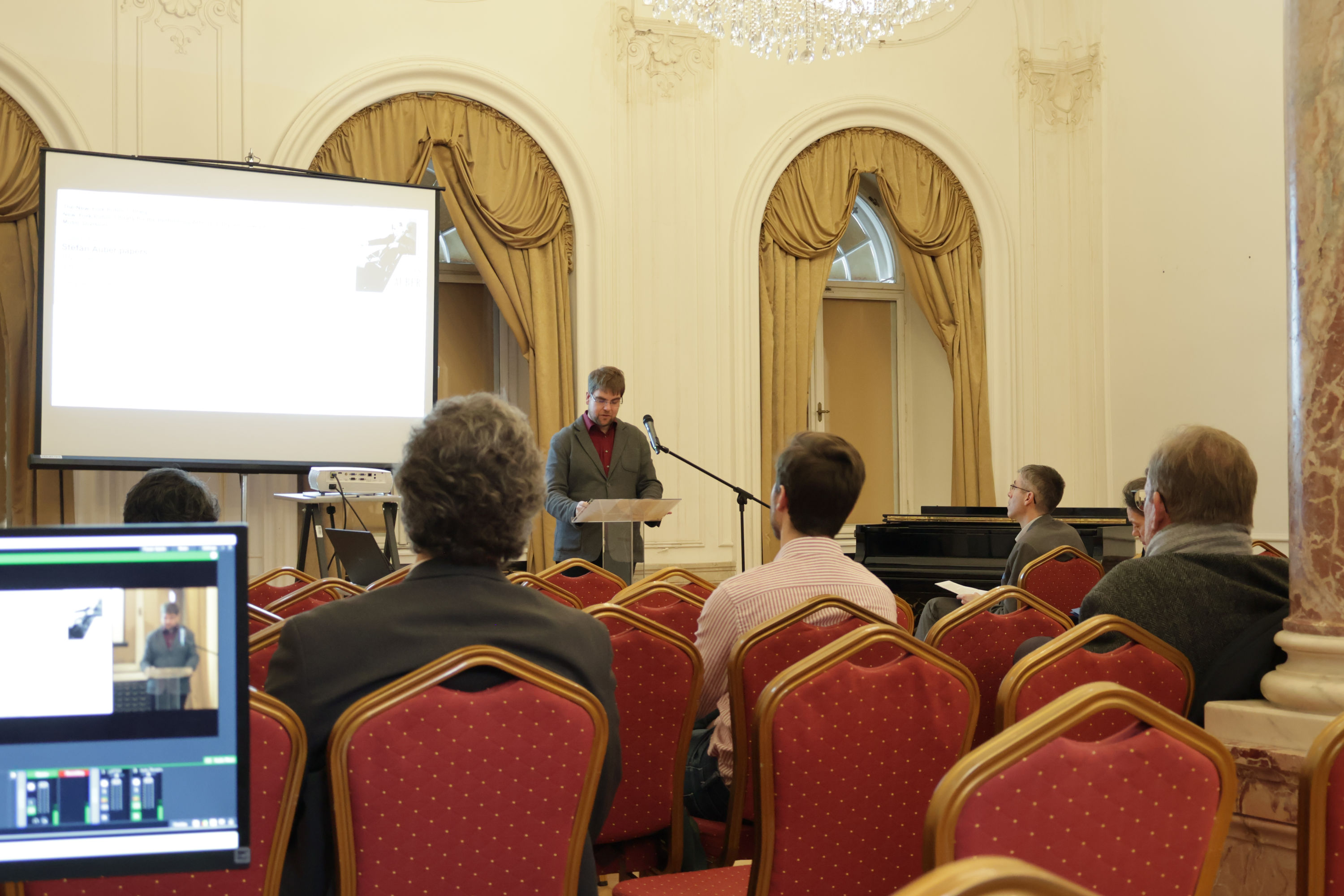
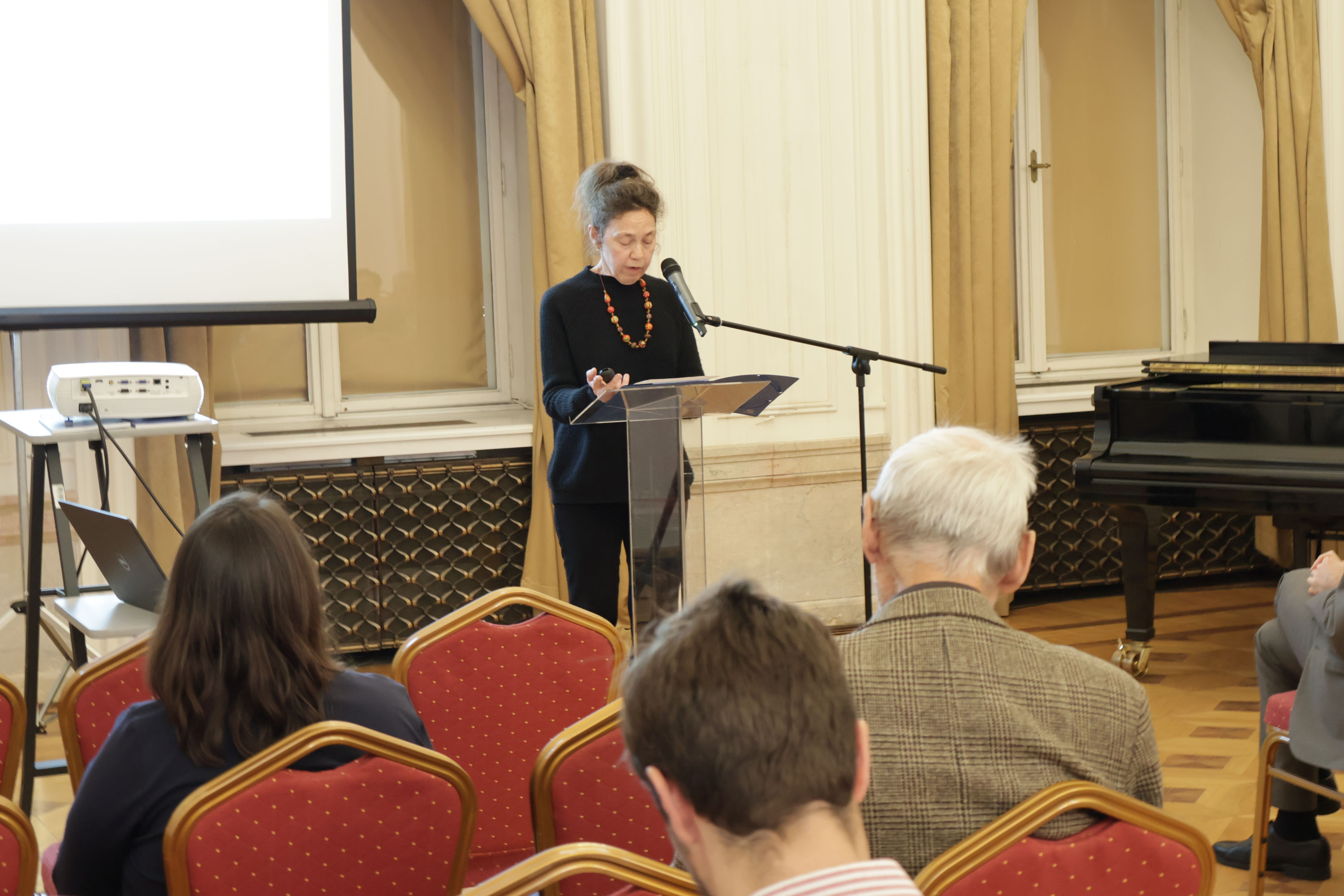
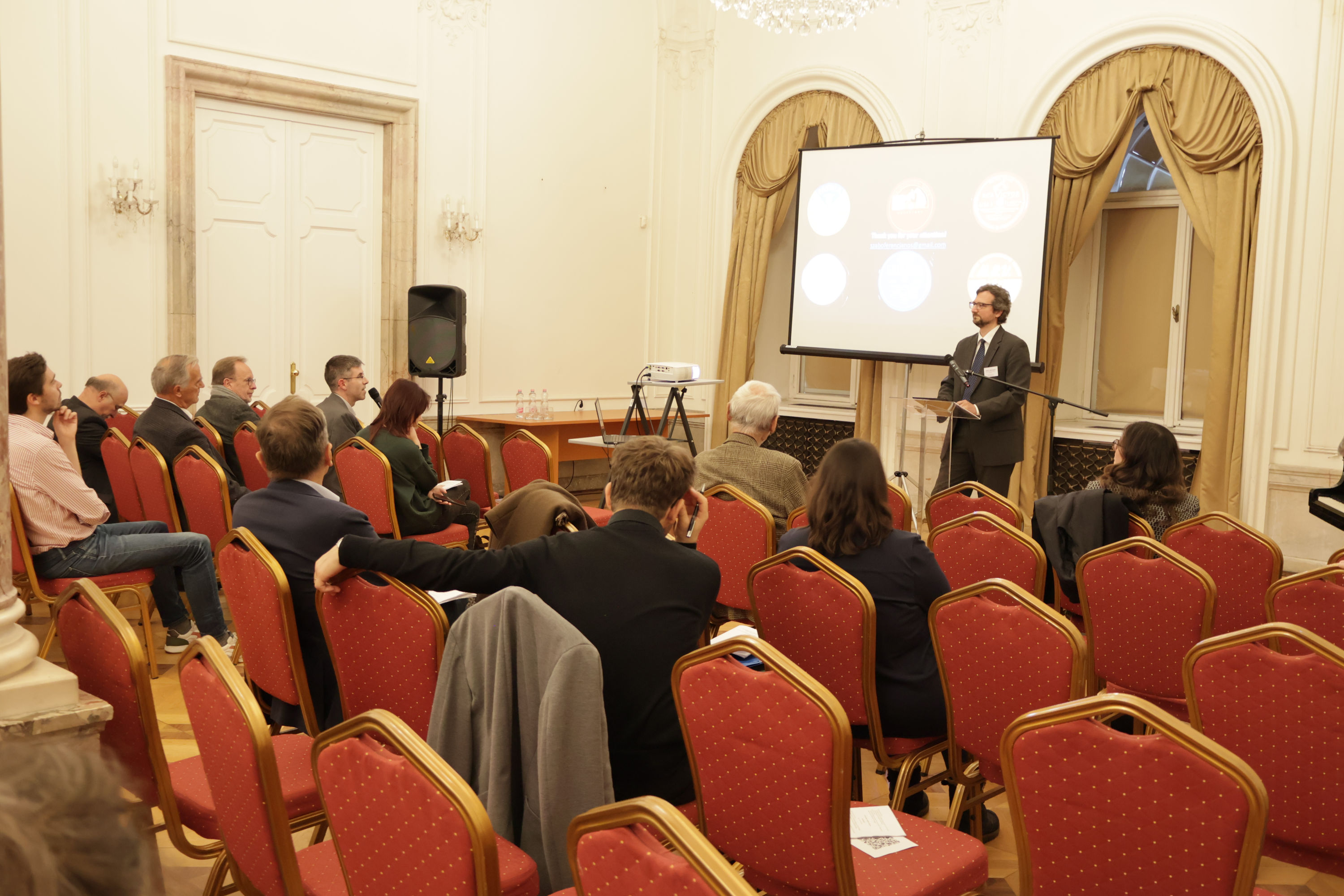
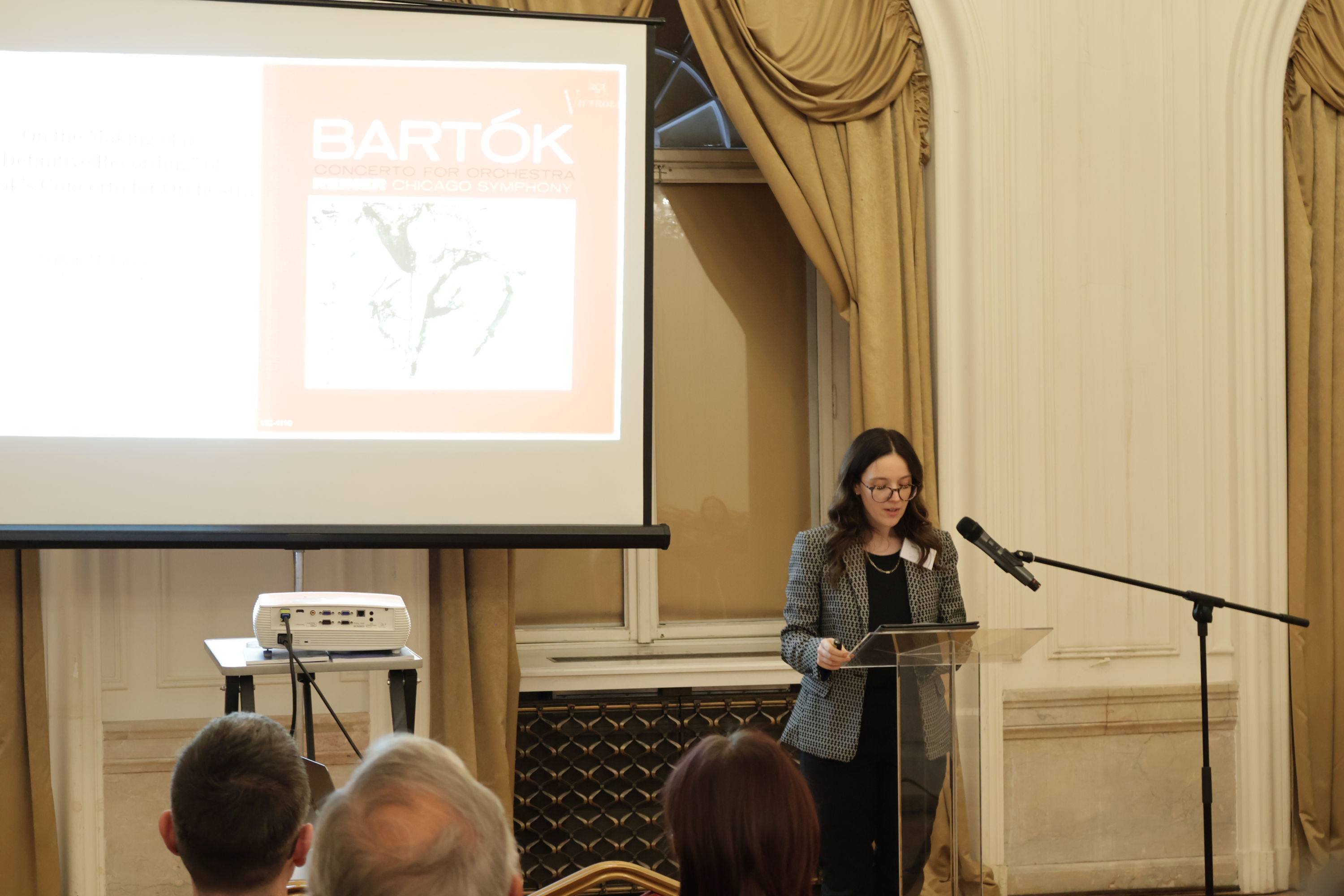
The first session – on “Editions” – included an examination of the “premises of editorial practice” in the 20th century (Friedemann Sallis), a reconsideration of the sources of Mozart’s famous D-minor Piano Concerto, in preparation for a new Henle Urtext edition (Wolf-Dieter Seiffert), a survey of a recently surfaced collection of private editions produced by the New York Bartók Archives (Carl Leafstedt), and a discussion of the benefits and limitations of facsimile editions, with special focus on those published by the Paul Sacher Foundation (Felix Meyer). The papers of the second session – on “Authenticity” – explored the potentials of a so-called “genetic edition” of Debussy’s Violin Sonata (François Delécluse), the manifold problems regarding authenticity in Stravinsky’s vocal works (Christoph Flamm), the aesthetic concepts related to authenticity in Bartók’s views on art music and folk music (Michael Braun), and Bartók’s own practice of editing “classical” and “folk” music (László Vikárius). The third session was dedicated to “Bartók case studies,” with contributions on editing folk song arrangements unpublished by the composer (Viola Biró), on various versions of The Wooden Prince, authorized by the composer (Anne Vester), on possibilities of reconstructing “historical” folders of Bartók manuscripts (Yusuke Nakahara), on a recently discovered source of the Sixth String Quartet (Zsombor Németh), and on the circumstances of how Ditta Pásztory came to be considered “the most authentic” Bartók-interpreter (Virág Büky). Finally, the fourth session – on “Recordings” – included a discussion on the complete editions and discographies of Bartók’s works on record and of Bartók’s own recordings (Ferenc János Szabó), a critical assessment of Fritz Reiner’s 1955 recording of Bartók’s Concerto for Orchestra (Sarah M. Lucas), an evaluation of the single surviving recording of Duke Bluebeard’s Castle from Bartók’s lifetime (Márton Kerékfy), and a presentation of a unique collection of East Ashkenazi prayer melodies (Judit Frigyesi).
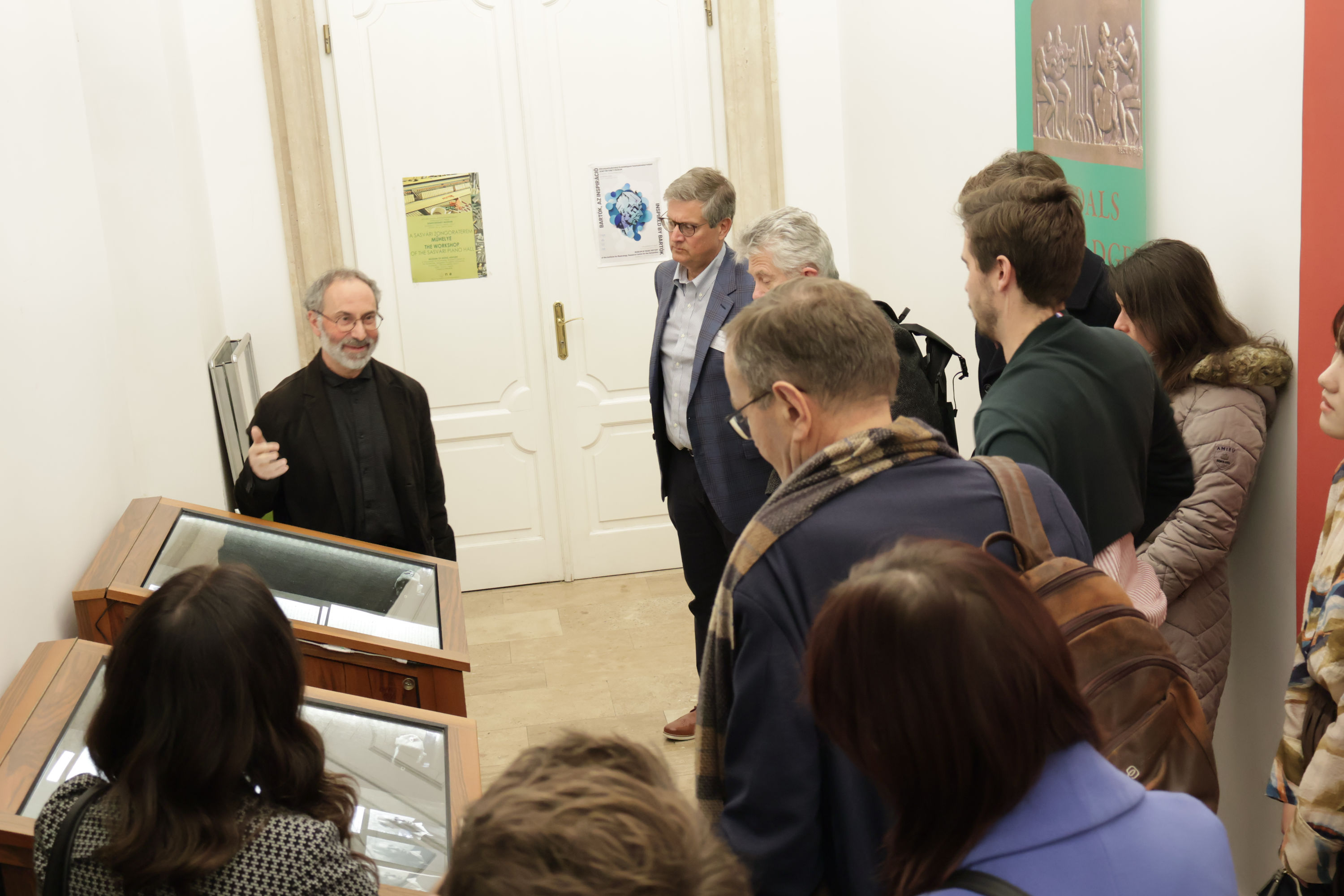
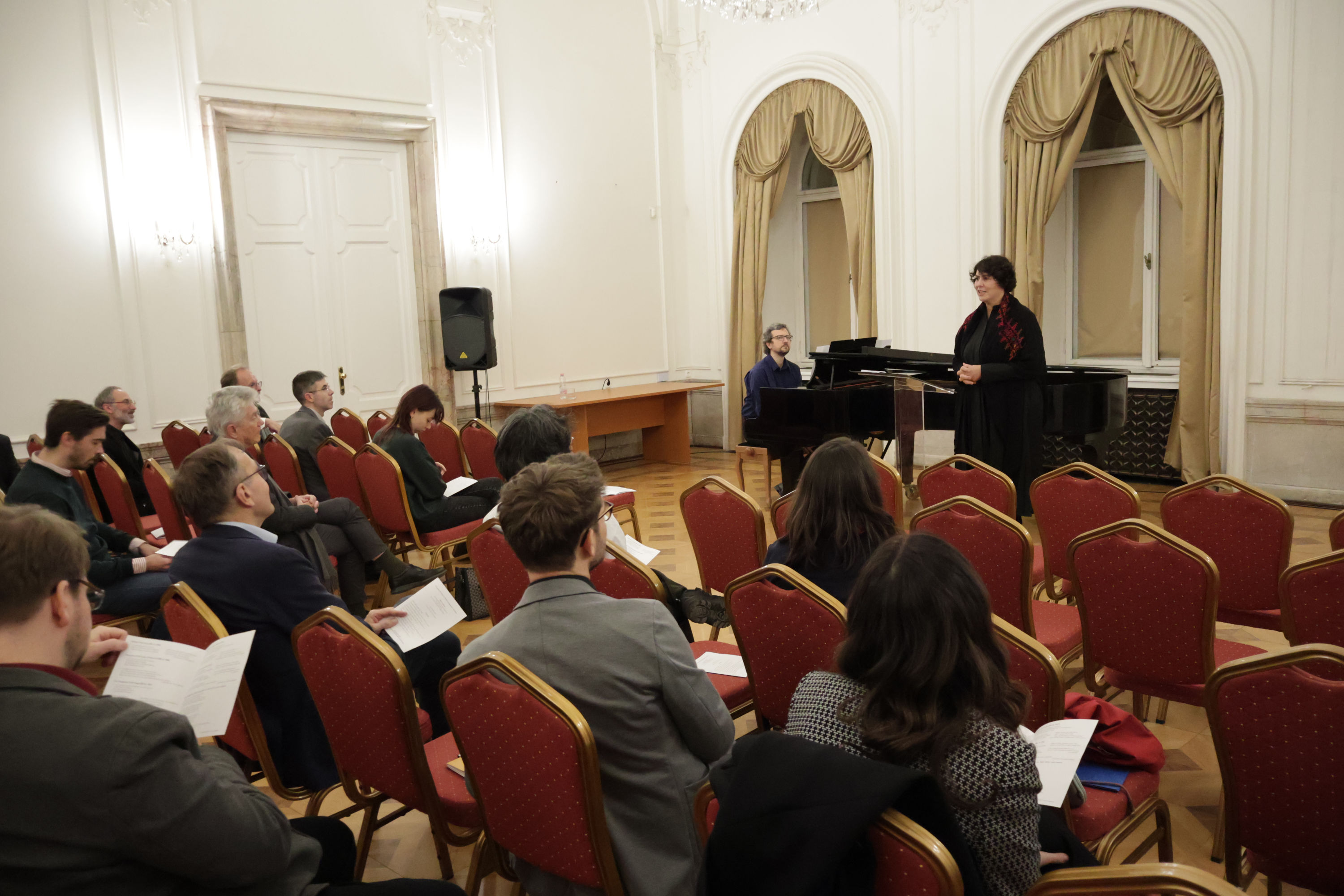
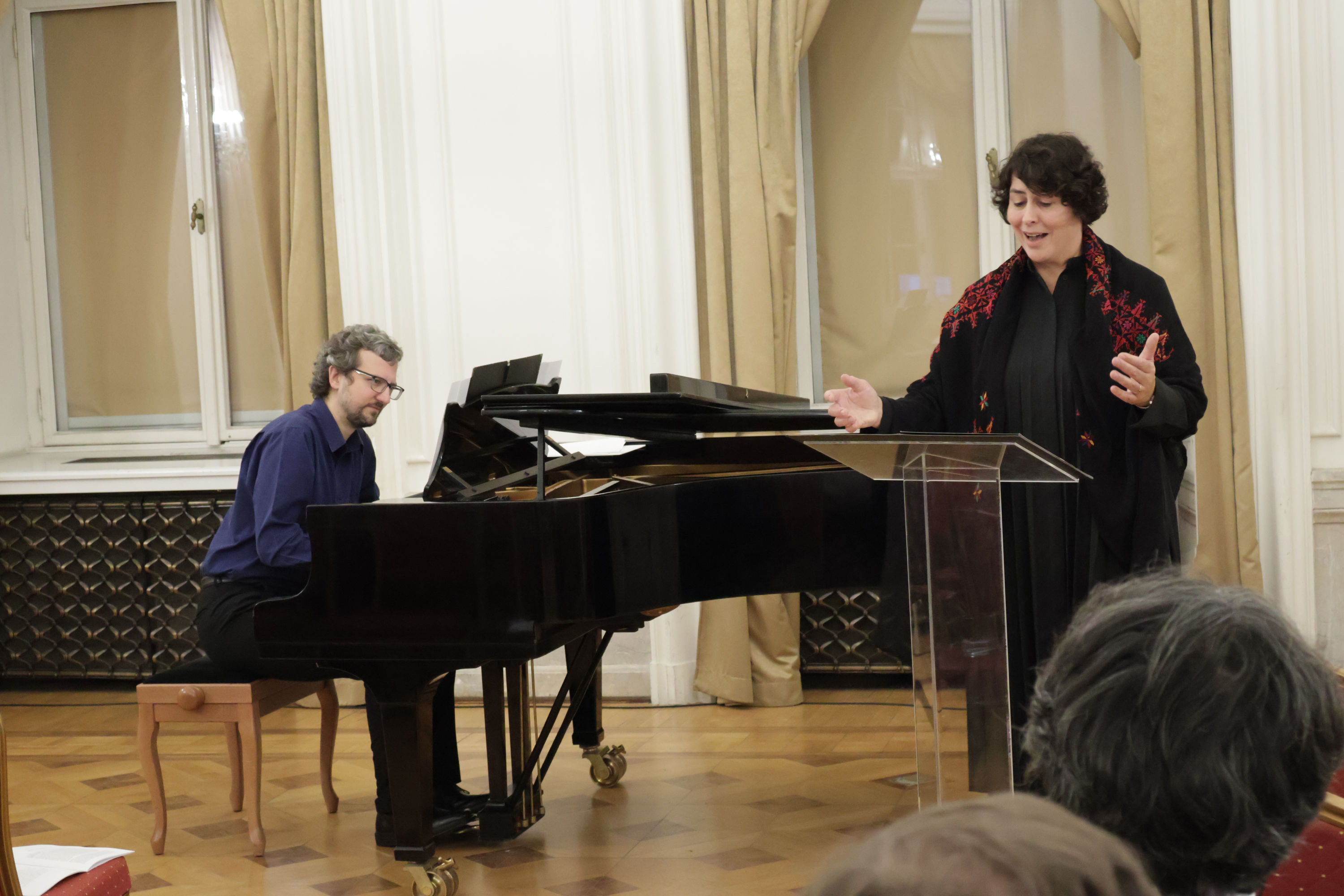
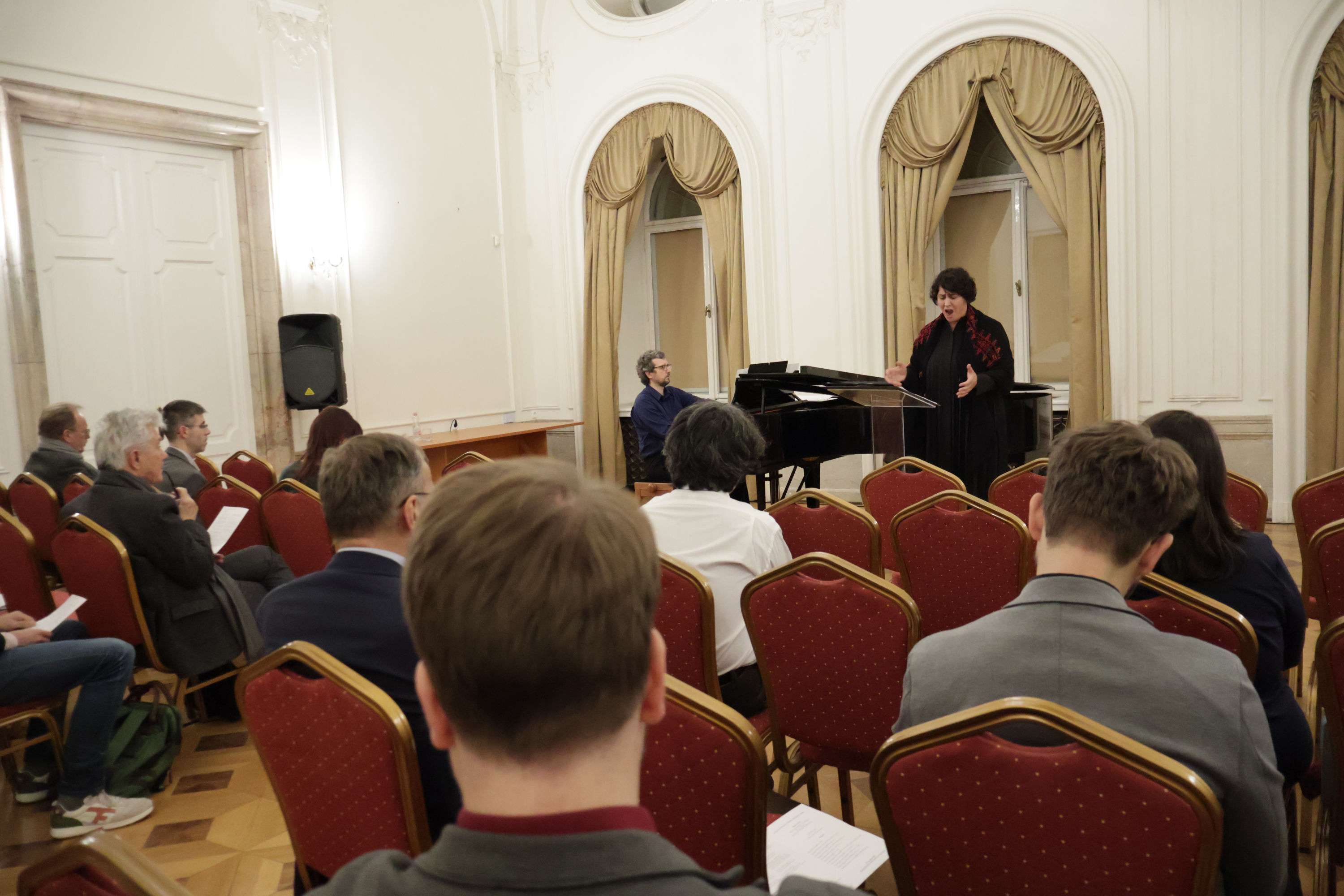
The program also included an introduction to the small exhibition commemorating the 80th anniversary of Bartók’s passing (curated by László Vikárius), showcasing significant documents from the collection of the Budapest Bartók Archives related to Bartók’s final years. The highlight of the two-day event was the closing concert featuring folk song arrangements for voice and piano from the most recently published Volume 10 of the Bartók Complete Edition, performed by singer Judit Rajk and pianist Ferenc János Szabó – which included works and versions of pieces that were rarely or never heard before.
The program booklet of the conference is available here.
The program of the closing concert is available here.
Viola Biró
Photo: Zsuzsanna Schmidt
 |
 |
 |
 |
 |
 |
 |
 |
 |
 |
 |
 |
 |
 |
 |
 |
 |
 |
 |
 |
 |
 |
 |
 |
 |
 |