









KROÓ 100: A Liszt Ferenc Zeneművészeti Egyetem Zenetudományi Tanszéke és a Magyar Zenetudományi és Zenekritikai Társaság tudományos konfereciája
|
|
– |
|
|
KROÓ 100 2026. október 8–9., csütörtök–péntek: Zeneakadémia, I. terem (1061 Budapest, Liszt Ferenc tér 8.) 2026. október 10., szombat: Zenetudományi Intézet, Bartók terem (1014 Budapest, Táncsics Mihály utca 7.) |


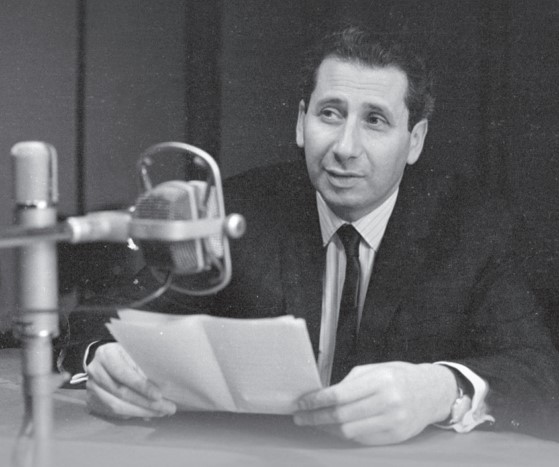
2026. október 8. és 10. között a Liszt Ferenc Zeneművészeti Egyetem Zenetudományi Tanszéke és a Magyar Zenetudományi és Zenekritikai Társaság Kroó György születésének 100. évfordulója alkalmából konferenciát szervez.
A konferenciát hangverseny zárja, amelyre minden érdeklődőt szeretettel várunk.
Előadó:
Balog József – zongora
Műsor:
Ludwig van Beethoven: Hat bagatell, op.126.
Johannes Brahms: Három intermezzo, op.117
Liszt Ferenc: 104. Petrarca-szonett
Bartók Béla: Improvizációk magyar parasztdalokra, op.20.
További információk a meghívóban és a plakáton.
Cantus Planus: Gregorián konferencia Portugáliában
A gregoriánkutatás legnagyobb múltú és volumenű nemzetközi munkacsoportja, a Nemzetközi Zenetudományi Társaság (International Musicological Society) szervezetében működő Study Group Cantus Planus konferenciája 2026. szeptember 3–7. között zajlott a portugáliai Évorában, az egyetem Colégio do Espírito Santo kollégiumának falai között. Az ötnapos esemény közel 80 előadásnak, workshopoknak, poszterbemutatónak, valamint egy egésznapos kirándulásnak engedett teret. A hazai kutatást az ELTE HTK Zenetudományi Intézet Régi Zenetörténeti Osztályának négy kutatója képviselte előadóként és szekcióvezetőként: Czagány Zsuzsa, Gilányi Gabriella, Kőnig Julianna és Varga László Dávid.
Ösvények a népzenéhez – Paksa Katalin válogatott tanulmánykötetének bemutatója
2026. szeptember 17-én, csütörtök délután megtelt az ELTE HTK Zenetudományi Intézet Bartók terme kollégákkal, ismerősökkel, diákokkal és érdeklődőkkel Paksa Katalin posztumusz válogatott tanulmánykötetének bemutatója alkalmából. Az ünnepi eseményt jelenlétével megtisztelte Paksa Katalin lánya, Bálint Sándor vallási néprajzkutató unokája, Bálint Orsolya és az ő egyik leánygyermeke.
Koszorúzás Bartók Béla halálának 81. évfordulóján
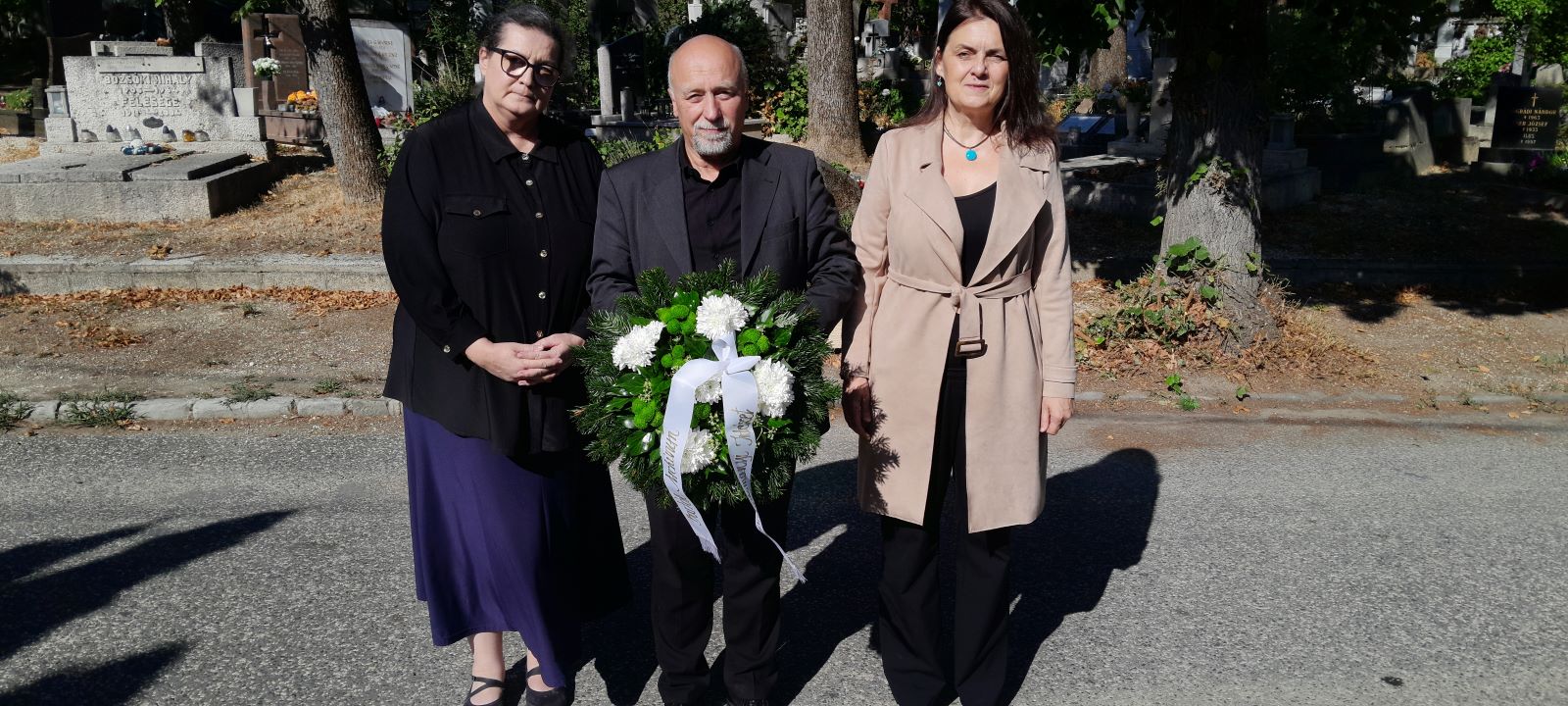
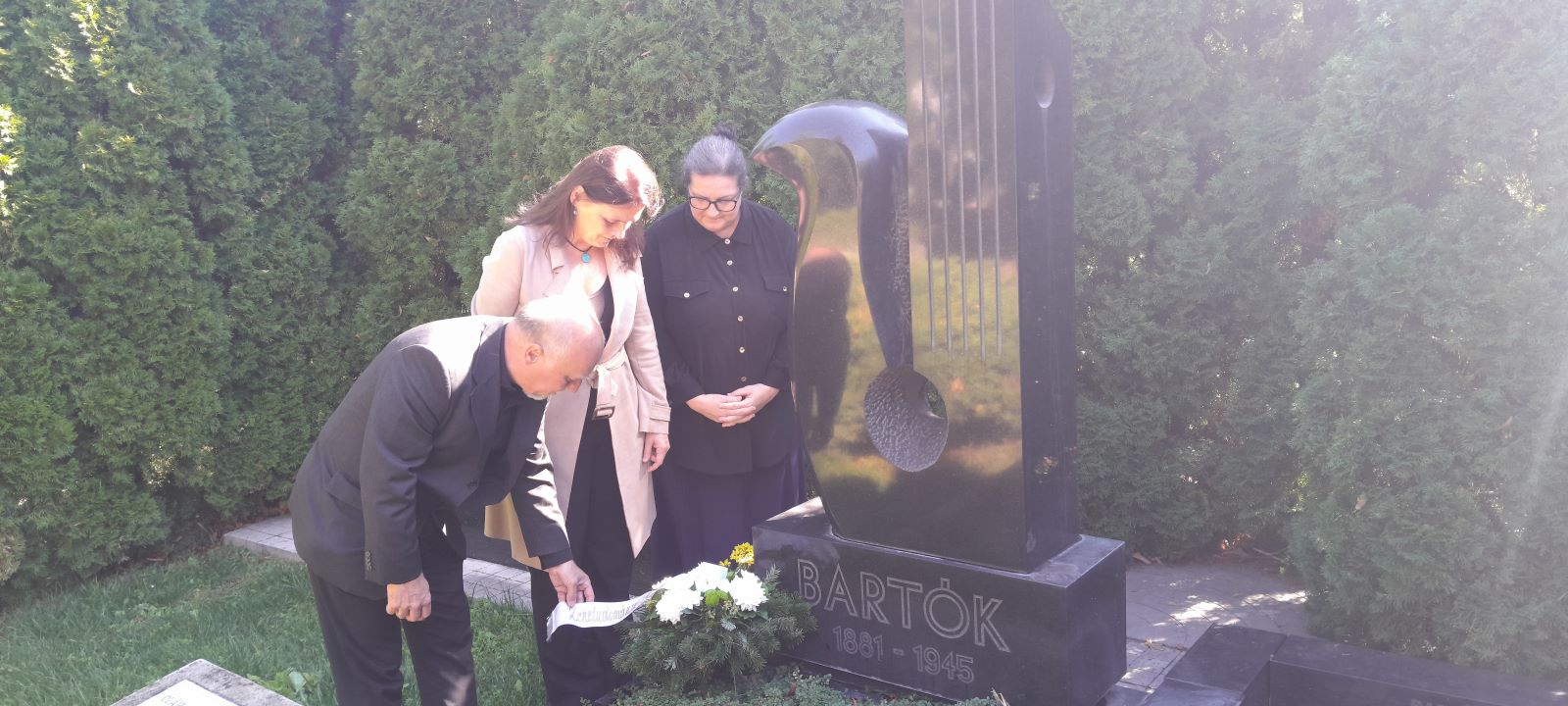
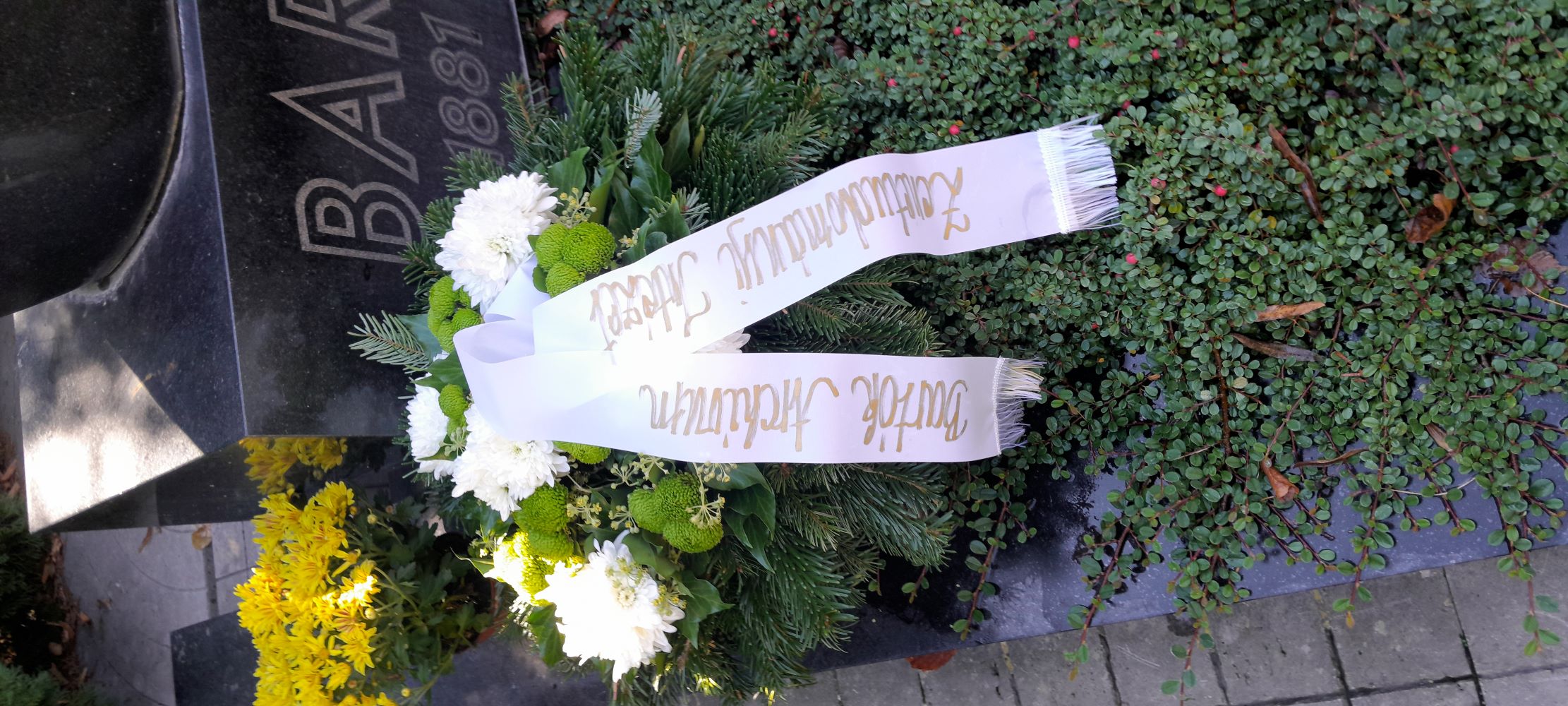
Richter Pál, az ELTE HTK Zenetudományi Intézet igazgatója, Kim Katalin, az intézet igazgatóhelyettese, valamint Pintér Csilla, a Bartók Archívum tudományos munkatársa koszorú elhelyezésével emlékeztek meg Bartók Béláról halálának 81. évfordulóján a zeneszerző sírjánál.
 |
 |
 |
Tudományos Fórum – Agócs Gergely
|
|
Agócs Gergely: A kipcsak türk népek körében végzett zenefolklorisztikai terepmunka legújabb eredményei ELTE HTK Zenetudományi Intézet, Bartók terem, 2026. szeptember 24. csütörtök, 10 óra 1014 Budapest, Táncsics Mihály utca 7.
|


- Zenetörténészek elismerése a Bolyai-napon
- Medieval Books in the Early Modern Period: Comparative Perspectives – Nemzetközi konferencia Kolozsváron
- Berlász Melinda kapta a Weiner Leó-emlékdíjat
- A Zenei Könyvtárak Nemzetközi Szövetségének közgyűlése a ZTI-ben
- Közlemény
- Paksa Katalin: Ösvények a népzenéhez. Válogatott tanulmányok – könyvbemutató
- Konferencia a Horthy-korszak zeneéletéről
- Megjelent a Zenetörténeti Múzeum Kurtág-kiállításának katalógusa
- Zenész szemmel a IX. Nemzetközi Hungarológiai Kongresszusról
- Megjelent a Magyar zeneszerzők szóban és írásban sorozat negyedik kötete
- Tápiószele nyerte idén a „Tiszta forrás település” címet
- Ösvények a népzenéhez ‒ Megjelent Paksa Katalin válogatott tanulmánykötete
- MedRen 2026 Varsóban
- Megjelent a Források a 19. század zenetörténetéhez sorozat első kötete
- Töredékek, kódexek, digitális rekonstrukciók Műhelykonferencia Fribourgban
- Két új tanulmánykötet a Horthy-korszak zeneéletéről
- Individual Agency and Musical Networks in Nineteenth- and Twentieth-Century Music History and Music Historiography – Call for Papers
- Megjelent a Dohnányi Ernő válogatott levelei című forráskiadvány
- Nemzetközi zenetudományi konferencia a százéves Kurtág György tiszteletére
- „Nem elrejtőzni a világ elől.” Interdiszciplináris konferencia a pálosokról Sárospatakon és Sátoraljaújhelyen
- A Zenetudományi Intézet munkatársai a Magyar Könyvtárosok Egyesülete 57. vándorgyűlésén
- Repríz 7. adás: Szoliva Gábriel és a BNS II felfedezése
- Repríz 6. adás: Szepesi Zsuzsanna a ZTI Zenetudományi Szakkönyvtáráról
- Tudományos Fórum – Biró Viola – Büky Virág
- Töredékkutatás a boroszlói Egyetemi Könyvtárban
- Cantata profana: Bartók’s Sacred Bridge by László Vikárius – A Report on the Book Launch
- Nemzetközi konferencia Johannes de Jenštejn prágai érsekről a római Nepomucenumban
- International Musicological Conference on György Kurtág’s 100th Birthday
- Múzeumok Éjszakája a Zenetörténeti Múzeumban
- Tudományos Fórum – Thomas Hochradner
- Zeng a lélek. Válogatás Papp János gyűjtéséből – Új népzenei példatárral bővül a Zenetudományi Intézet honlapja
- The 10th Symposium of the ICTMD Study Group on Music and Dance in the Turkic World
- Vikárius László: Cantata profana – Bartók’s Sacred Bridge – Könyvbemutató
- Kettős könyvbemutató
- Tudományos Fórum – Szabó Ferenc János
- Research trip in San Antonio
- Sipos János utazása a Kirgiz Köztársaságba és Kyrgyz Folksongs című könyvének orosz nyelvű kiadása
- Fügedi János munkásságához kapcsolódó négy kiadvány – Könyvbemutató
- Tudományos Fórum – Varga Sándor
- Tánctudományért díjjal tüntették ki Varga Sándort
- Sebő Ferenc (1947–2026)
- Tallián Tibor köszöntése
- Tudományos Fórum – Dalos Anna
- Cantata profana: Bartók’s Sacred Bridge – New Monograph by László Vikárius Has Been Published
- A Musicologia Hungarica sorozat két új kötete a magyar népzenekutatás történetéről
- Glossza 93.: Egy életmű apró formákból: Kurtág György világa
- A Magyar Tudományos Akadémia tudósít a Zenetörténeti Múzeum kiállításairól
- Tudományos Fórum – Karácsony Zoltán
- Állami kitüntetés
- Egy szenzációs felfedezés és kódexrekonstrukció: Szoliva Gábriel könyvbemutatója az MTA székházában
- Gyászjelentés – Somfai László
- Szoliva Gábriel OFM: Breviarium notatum Strigoniense saeculi XIII – Pars sanctoralis – Könyvbemutató
- Richter Pál az M5 Intermezzo című műsorában
- Jelek, játékok, üzenetek – Kiállítás a százéves Kurtág György tiszteletére
- Tudományos Fórum – Nakahara Yusuke
- László Somfai (1934–2026)
- Népzenegyűjtési jelentések az 1950-es évekből
- Prof. Dr. Oskár Elschek (DSc) etnomuzikológus (1931–2026)
- Repríz 5. adás: Dalos Anna és az „Ajtón lakattal” angol nyelvű kiadása
- Nemzeti nyelvű egyházi énekek Közép-Európában I. Zsoltárok – Nemzetközi tudományos konferencia (Budapest, 2025. december 8.)
- Dissemination and Reception of Franco-Flemish Polyphony in Central and Eastern Europe – Preparatory Meeting (Wien, 2025. november 18–19.)
- Egy nógrádi község hagyományőrzése
- Zenetudományi kutatás a Magyar Tudományos Akadémia égisze alatt (1825–2025) – Kiállítási katalógus
- Megjelent Kusz Veronika kismonográfiája Weiner Leóról
- Digital Critical Editions in Music 4. – online workshop
- Megjelent a Fragmenta Musicae – Contemporary Perspectives tanulmánykötet
- Amit egy egyházmegyei könyvtár rejthet és nyújthat
- HAS200 – International conference. Musical Discourses on the National Idea in 19th- and 20th-Century Music
- Breviarium notatum Strigoniense saeculi XIII – megjelent a Musicalia Danubiana 27. kötete
- Receptions of French Liturgical Music in Bohemia and Central Europe in the High Middle Ages – Háromnapos nemzetközi műhelykonferencia Prágában (2025. november 24–26.)
- Authenticity in Music – Report on the International Conference organized by the Budapest Bartók Archives
- Repríz 4. adás: Gilányi Gabriella és „Egy 15. századi Graduale Strigoniense rekonstrukciója”
- Mingshanwang: Articulating Bach – Lecture Recital
- Beszámoló Kéry János hangversenyéről
- Ajtón lakattal – zenés beszélgetés Dalos Annával
- Kiállítás Dévai Tibor emlékére
- Hivatása: Kutató – Somfai László
- Megjelent Szabó Ferenc János új monográfiája
- Concepts and Criteria of “Éditions authentiques” in Music
- Repríz 3. adás: Ferenczi Ilona és a „Csáti Graduál” kritikai kiadása
- Nagy László 100 konferencia
- The Bartók Complete Edition at Boston University and Harvard University
- LISZT TRANSZCENDENS 200 – KÉRY JÁNOS zongoraművész hangversenye
- A Zenetörténeti Múzeum a Múzeumok Őszi Fesztiválján
- Tudományos Fórum – Paweł Gancarczyk
- Angol nyelven jelent meg Dalos Anna kötete a Kádár-kori magyar zeneszerzésről
- Vargyas Lajos Széchenyi-díjas népzenekutató, folklorista emléktáblájának avatása
- A Magyar Zenetudományi és Zenekritikai Társaság 22. tudományos konferenciája
- Tudományos Fórum – Illés Szabolcs
- Beszámoló a Ferences iskoladrámák VI. kötet könyvbemutatójáról
- Könyvbemutató: Ferences iskoladrámák VI.
- Beszámoló a Nemzetközi Kodály Társaság László Vikár Fórumáról, 2025, augusztus 9-11, Budapest
- Traditional Culture and Art: Problems of Preservation and Development nemzetközi kongresszus, Kigizisztán, Cholpon Ata
- 50 évvel ezelőtt hunyt el Vujicsics Tihamér zeneszerző, népzenekutató
- A Zenetudományi Intézet a Mesterségek Ünnepén
- Konferenciát rendeznek Dobszay László emlékére
- Lipták Dániel állami kitüntetése
- A Digitális Zenei Fragmentológia Kutatócsoport Brassóban és Sepsiszentgyörgyön
- Richter Pál és Papp Ágnes előadása Belgiumban
- Megemlékezés a 19‒20. századi népénekkutatás jeles képviselője, Antal József atya születésének 85. évfordulóján
- Szabó Ferenc János két előadása Angliában és Ausztriában
- Repríz 2. adás: Három osztályvezető az MTA nagy zenei gyűjteményeiről
- Musical Discourses on the National Idea in 19th- and 20th-Century Music Historiography and Criticism Revisited – Call for Papers
- Csáti graduál – beszámoló a könyvbemutatóról
- A Bartók Archívum két új kiadványa – beszámoló a könyvbemutatóról
- A Bartók Archívum két új kiadványa – könyvbemutató
- Digital Critical Editions in Music 3. – online workshop
- Múzeumok Éjszakája a Zenetörténeti Múzeumban
- MTA 200: Kiállításmegnyitó a Zenetörténeti Múzeumban
- Tudományos Fórum – Kerékfy Márton
- Csáti graduál | 1602 | A graduál hasonmása és átirata bevezetéssel és jegyzetekkel – könyvbemutató
- Gilányi Gabriella: Töredéktől a műhelyig. Egy 15. századi Graduale Strigoniense rekonstrukciója – könyvbemutató
- A Zenetudományi Intézet munkatársai a HUN-REN Fiatal Kutatók Szimpóziumán
- Tudományos Fórum – Pásku Veronika
- Négy előadóval képviseltette magát a HUN-REN BTK Zenetudományi Intézete a VIII. Scriptorium-konferencián
- Megjelentek Ligeti György válogatott interjúi és előadásai
- Tudományos Fórum – Riskó Kata
- Tudományos Fórum – Jana Laslavíková
- Digital Critical Editions in Music 2. – online workshop
- Szingapúri vendégek a Zenetudományi Intézetben
- The Gradual of Csát (1602) Has Been Released in Both Facsimile and Critical Edition
- Dalos Anna Akadémiai Díjat vett át
- Repríz 1. adás: Kusz Veronika és az OUP-nél megjelent „The Last Romantic in His Own Words”
- Digital Critical Editions in Music – online workshop
- Tudományos Fórum – Czagány Zsuzsa, Enyedi Mózes, Kőnig Julianna, Tóka Borbála, Varga László Dávid
- Népzenedoboz: Fügedi János emlékére
- Szoliva Gábriel előadása az ‘Early Music in Central Europe’ online fórumon
- Tények és tévhitek a citera hangszertípusról
- XXXVI György Ránki Hungarian Studies Conference and Concert: In Memoriam Béla Bartók (1881-1945)
- „Egy délután Dohnányival” – beszámoló
- Szabó Ferenc János: „Carissima Pillangó" – Szamosi Elza művészete – könyvbemutató
- Zenei Könyvtárak Nemzetközi Szövetségének közgyűlése
- Rendhagyó tudományos fórum – Egy délután Dohnányival. Könyv-, lemezbemutató és kerekasztal-beszélgetés
- Gyászjelentés – Fügedi János
- Töredéktől a műhelyig. Egy 15. századi Graduale Strigoniense rekonstrukciója
- Sipos János népzenei archívuma
- A munkásdaltól a popdalig – A munkásdalkutatás transzformációi Magyarországon és a keleti blokkban (1949–1989)
- A Zenetudományi Intézet munkatársai is részt vettek a Glossza Podcast Workshopon
- Benyovszky Mária és Bácsi Fanni a Qulto Szakmai Napon
- Végvári Rezső Dunapataji népdalgyűjtemény című kötetének ünnepélyes könyvbemutatója
- Archív hanghordozók digitalizálásával kapcsolatos workshop Bécsben
- On Bartók, Folk Music, and Music History – Essays in Honor of Vera Lampert
- Elhunyt Fügedi János
- Végvári Rezső: Dunapataji népdalgyűjtemény – könyvbemutató
- Tudományos Fórum – V. Szűcs Imola
- Megjelent Szabó Ferenc János „Carissima Pillangó” – Szamosi Elza művészete című kötete
- A Musicologica Hungarica sorozatban megjelent Dalos Anna új kötete
- Megjelent Kusz Veronika és James A. Grymes új Dohnányi-kötete
- Kiváló minősítést kapott a Lendület Digitális Zenei Fragmentológia Kutatócsoport
- Konferencia és kiállításmegnyitó a Magyar Zenetörténeti Osztály szervezésében
- New volume published in the Bartók Complete Edition: Folk Song Arrangements for voice and piano
- Szabó Ferenc János nyerte el a HUN-REN Bárány Róbert Díját
- Ünnepi konferencia és kiállításmegnyitó
- Tudományos Fórum – Szabó Bálint
- Vendégelőadások a Miskolci Egyetemen
- Tudományos Fórum – Tatjana Marković
- Üzenet Nagykállóból
- Early Music in Central Europe: Collaborated Research, Migrating Sources, Transregional Connections – konferencia és koncert
- Ünnepi hangverseny a Magyar Nemzeti Múzeumban
- Czagány Zsuzsa a párizsi Fragmenta Liturgica konferencián
- Konferencia, kiállítás, kutatás a Klimo Könyvtárban
- Tudományos fórum – Németh Zsombor
- Biró Viola vehette át a Magyar Zenetudományi és Zenekritikai Társaság Kroó György-plakettjét
- Stílusok, korszakok, átmenetek – A Magyar Zenetudományi és Zenekritikai Társaság 21. tudományos konferenciája
- Beszámoló az International Association of Sound and Audiovisual Archives (IASA) éves kongresszusáról
- Somfai László ünnepélyes köszöntése
- Temesvári Péter 70. Egy hegedűkészítő mester hangszerei – KIÁLLÍTÁS
- Bozó Péter vehette át az MTA Bolyai Plakettjét
- Tudományos fórum – Gombos László
- Zenei ikonográfiai konferencia Bécsben
- Elhunyt Ladislav Kačic pozsonyi zenetörténész
- 32. internationale Studientagung der Internationalen Arbeitsgemeinschaft für Hymnologie – Papp Ágnes beszámolója
- Somfai László születésnapjára
- Kortárs zenei percek a 20. Crescendo Nyári Akadémián
- Quadraginta annis! Nemzetközi konferencia a középkori liturgikus zenéről – beszámoló
- 100 éve született Bartók Péter (1924–2020)
- Quadraginta annis! Nemzetközi konferencia a középkori liturgikus zenéről
- Béla Bartók’s Viola Concerto Revisited
- Nemzetközi konferencia Bartók Béla Brácsaversenyéről
- Kurtág György nyerte el a 2024. évi zeneművészeti Wolf-díjat
- Múzeumok Éjszakája a Zenetörténeti Múzeumban
- Weiner Leó elveszettnek hitt műve bukkanhatott fel
- IAML2024 Congress – Szabó Ferenc János beszámolója
- Diskografentag: International Conference on Recorded Music – Szabó Ferenc János beszámolója
- Czagány Zsuzsa előadása az Irodalomtudományi Intézet Reneszánsz Osztályának vitaülésén
- Kim Katalin és Horváth Pál az Országos Színháztörténeti Múzeum konferenciáján
- Rendhagyó tudományos fórum – Carl Van Eyndhoven
- Geyer Stefi hegedűművész életútja – Levelezése Bartók Bélával
- Geyer Stefi hegedűművész életútja. Levelezése Bartók Bélával – könyvbemutató
- Grabócz Márta: Zenei jelentés és narratív stratégiák a 18–20. századi zeneművekben című kötet bemutatója
- Tudományos fórum – Grabócz Márta
- Várt és váratlan felfedezések erdélyi levéltárakban – A Lendület Digitális Zenei Fragmentológia Kutatócsoport töredékfeltáró útja
- Tudományos fórum – Nakahara Yusuke
- Tanulmányok a Studien zur Musikwissenschaft legújabb kötetében
- Kodály Zoltán Zenei Alkotói Ösztöndíj – 2024
- ZTI 50 – Konferencia a Zenetudományi Intézet fennállásának ötvenedik évfordulóján
- Szabó Ferenc János előadása a svédországi Örebro Egyetemen
- Konferencia a Zenetudományi Intézet fennállásának ötvenedik évfordulóján
- Czagány Zsuzsa: „Antiphonale Varadinense s. XV. Kritikai kiadás és monográfia” – doktori védés
- Nemzetközi interdiszciplináris konferencia Pozsonyban
- Megemlékezés Bartók Béla születésének 143. évfordulóján
- Eötvös Péter 80. születésnapja tiszteletére rendezett Tudományos Fórumot a Zenetudományi Intézet
- Emmanuel Vukovich hangversenye Bartók Béla születésnapja tiszteletére
- Tudományos Fórum – Eötvös Péter 80. születésnapja alkalmából
- Megjelent a Studia Musicologica 64.
- Pávai István Széchenyi-díjat kapott
- Dalos Anna – Kerékfy Márton – Heidy Zimmermann: Ligeti-labirintus – Barangolás Ligeti György életművében (2023)
- Szabó Ferenc János: His Master Voice, 1928. A Vallás- és a Közoktatásügyi Minisztérium gramofonakciója (2024)
- Pia Shekhter (IAML) látogatása Budapesten
- Paper and Copyists in Viennese Opera Scores, 1760–1775. Martin Eybl, Konstantin Hirschmann, Constanze Köhn, Emilia Pelliccia workshopja a HUN-REN BTK Zenetudományi Intézet Tudományos Fórumán
- Liszt Ferenc zongorára és zenekarra írt művei kritikai kiadásban: megjelent a De profundis, psaume instrumental
- Laskai Anna: Pillanatképek egy zenekar történetéből. Kiállítás a Budapesti Filharmóniai Társaság fennállásának 170. évfordulója alkalmából - Kiállítási katalógus
- Kusz Veronika–Laskai Anna (közr.): Franz Schubert–Dohnányi Ernő: f-moll fantázia
- A Zenetudományi Intézet közleménye
- Tudományos fórum – Martin Eybl, Konstantin Hirschmann, Constanze Köhn, Emilia Pelliccia
- DEPO – Törökbálint
- Eötvös Péter 80 – nemzetközi zenetudományi tanácskozás Párizsban
- Töredékkutatás Szombathelyen
- Tudományos fórum – Felföldi László
- A Zenetörténeti Múzeumban járt a We Love Budapest
- Liszt és magyar kortársainak kapcsolata Magyarország művelődéstörténetének tükrében – megjelent tanulmánykötet
- 2023 december 14-én, életének 93. esztendejében elhunyt Végvári Rezső koreográfus, zeneszerző, népzenegyűjtő
- Ünnepi zárvatartás
- Karácsonyi ünnepség a Zenetudományi Intézetben
- Tánctudományi Tanulmányok – kötetbemutató
- Budapesti mindennapok Erkel és Liszt korában – Ünnepi konferencia Eckhardt Mária tiszteletére
- Lányi 100 – Szimpózium a száz éve született Lányi Ágoston tiszteletére
- A Lendület Digitális Zenei Fragmentológia Kutatócsoport tagjai a Visegrád+ projekt nemzetközi műhelykonferenciáján
- Ligeti-labirintus
- Saying Farewell to Bianca Ţiplea Temeş
- Lányi 100 – Szimpózium a száz éve született Lányi Ágoston tiszteletére
- Évfordulók a Zenetudományi Intézetben – konferencia
- Tudományos fórum – Martin Eybl
- Doktoranduszok látogatása a HUN-REN Bölcsészettudományi Kutatóközpont Zenetudományi Intézetének könyvtárában
- Pillanatképek egy zenekar történetéből – Megnyitó ünnepség a Budapesti Filharmóniai Társaság fennállásának 170. évfordulóján megrendezett kiállítás alkalmából
- Könyvtár zárvatartás
- Beszámoló Brauer-Benke József: Hangszerek és ideológiák: Ősi, népi, nemzeti és multikulturális hangszerek könyvbemutatójáról
- Pillanatképek egy zenekar történetéből. A Budapesti Filharmóniai Társaság fennállásának 170. évfordulójára készült kiállítás megnyitása
- Beszámoló a Lendület Digitális Zenei Fragmentológia gyöngyösi kutatásáról
- Konferencia Pejačević Dóra halálának 100. évfordulójára
- Beszámoló a 2023. szeptember 15–17. között Portugáliában, Queluzban megrendezett Historically Informed Performance – Theory and practice of the 18th Century Musical and Theatrical Repertoire című konferenciáról
- Beszámoló a Bartók szlovák népzenei gyűjtéséről tartott tudományos ülésről
- Beszámoló A dal kimozdítása konferenciáról és koncertről
- A Magyar Művészeti Akadémia Zeneművészeti Tagozatának Elismerő Oklevelét kapta Kaczmarczyk Adrienne és Vavrinecz Veronika
- Nemzetközi etnomuzikológiai konferencia Kolozsváron
- A Zenetudományi Intézet munkatársainak előadásai a Magyar Tudomány Ünnepe Budapest 150 konferenciáján
- Múzeumok Őszi fesztiválja a Zenetörténeti Múzeumban
- Brauer-Benke József: Hangszerek és ideológiák: Ősi, népi, nemzeti és multikulturális hangszerek – könyvbemutató
- Tudományos ülés Bartók szlovák népzenei gyűjtéséről
- „Nem egyéni munka, hanem sokak együttműködése hozza létre” – 70 évvel ezelőtt alakult meg az MTA Népzenekutató Csoportja
- Lampert Vera és Riskó Kata kapták a Kroó György-díjakat
- A dal kimozdítása – konferencia és koncert
- Magyar népzenekutató és zenetörténész Isztambulban
- Rádióbeszélgetés a Magyar isteni szolgálat... című könyv bemutatója kapcsán
- Múzeumok őszi fesztiválja a Zenetörténeti Múzeumban
- Beszámoló a Magyar isteni szolgálat... című könyv bemutatójáról
- Tudományos fórum – Ignácz Ádám
- A Magyar Zenetudományi és Zenekritikai Társaság 20. tudományos konferenciája ZENETÖRTÉNETEK BUDAPESTRŐL - Pest, Buda és Óbuda egyesítésének 150. évfordulója alkalmából
- Gionata Brusa (Würzburg) előadása az ʿEarly Music in Central Europeʾ online fórumon
- Népzeneelmélet a közép- és felsőfokú szakoktatásban – kerekasztal beszélgetés – beszámoló
- Koszorúzás Bartók Béla halálának 78. évfordulóján
- Czagány Zsuzsa és Gilányi Gabriella a „Jezsuita – Pray – Kódex” konferencián
- A Ligeti György születésének századik évfordulója tiszteletére rendezett LIGETI-LABIRINTUS című kiállítás záróeseménye
- Bolyai-nap a Magyar Tudományos Akadémián
- Előadások a Zenetudományi Intézet két műhelyéből a Magyar Könyvtárosok Egyesületének 54. Vándorgyűlésén
- Magyar isteni szolgálat... – könyvbemutató
- A Nemzetközi Kodály Társaság 26. szimpóziuma
- Kerekasztalbeszélgetés a népzeneelmélet közép- és felsőfokú szakoktatásáról egy új oktatási segédkönyv megjelenése alkalmából
- Tudományos fórum – Dalos Anna
- MedRen 2023 – Élménybeszámoló – Nagy Torma Julianna írása
- A VI. Régizenei Nyári Akadémiáról
- Színes képek a Nemzetközi Kodály Társaság 26th szimpóziumáról – Sipos János írása
- Gratulálunk az augusztus 20-a alkalmából kitüntetett munkatársainknak!
- MedRen 2023 – Nagy Torma Julianna Münchenben
- Kodály és az emberiség – Dalos Anna előadása Los Angelesben
- ELVESZETT ÉS MEGTALÁLT TÖREDÉKEK – A Lendület Digitális Zenei Fragmentológia Kutatócsoport tagjai Cascaisban
- Megjelent három, 19. századi alföldi kéziratos énekes- és kántorkönyv hasonmás kiadása
- Bolyai János Kutatási Ösztöndíj 2023 – A BTK munkatársainak nyertes pályázatai
- Zenetudományi Intézet – Zenetörténeti kincsek kutatása világhírű zeneszerzőktől a népzenéig
- Múzeumok Éjszakája a Zenetörténeti Múzeumban
- The Medieval Music Manuscripts of the Cistercian Order in Poland. A Palaeographic Approach – online előadás
- Hangszer vagy műtárgy? Tanulmányok hangszerekről, zenetörténetről, képzőművészetről
- Ligeti György emléktáblájának felavatása
- Czagány Zsuzsa előadást tart a kolozsvári Babeș–Bolyai Tudományegyetem Bölcsészettudományi Karán
- Kodály és a zenetörténet – Tallián Tibor rendes tag székfoglaló előadása
- Táncház 50 – HALF A CENTURY OF THE HUNGARIAN TÁNCHÁZ MOVEMENT
- Analytische Zugänge zur Volksmusik heute – nemzetközi szimpózium Prof. Dr. Walter Deutsch 100. szültésnapja alkalmából
- Búcsú a hangszerektől
- Töredékek, anyakódexek, hordozók A Lendület Digitális Zenei Fragmentológia Kutatócsoport konferenciája, könyvbemutatója, poszterkiállítása és koncertje
- Elhunyt Gerenday Ágnes karnagy, intézetünk korábbi munkatársa
- Kylwiria and Other Exploration – Conference
- Búcsú a hangszerektől – Nemessányi Sámuel kiállítás lezárása
- TÖREDÉKEK, ANYAKÓDEXEK, HORDOZÓK – hangverseny, poszterkiállítás és könyvbemutató
- LIGETI-LABIRINTUS – Kiállítás Ligeti György születésének századik évfordulóján
- Grabócz Márta: Kétféle zenetudomány? A formától a kollektív emlékezetig (invariánsok, memóriakutatási hipotézisek) – Székfoglaló előadás
- Nyílt nap a német Henle zeneműkiadónál
- Állami kitüntetések 2023. március 15-én
- Könyvbemutató, koncert és kiállításvezetés Bartók Béla születésének 142. évfordulóján
- Half a century of the Hungarian táncház movement – Call for papers
- Átadták az Akadémiai Ifjúsági Díjakat
- Földváry Miklós István előadása az Early Music in Central Europe online fórumon
- Évfordulók 2023 – a Zenetudományi Intézetben. Konferenciafelhívás
- Liszt Ferenc kétzongorás művei kritikai kiadásban
- SZABOLCSI BENCE-emlékülés
- Kiváló minősítést kapott a Lendület Digitális Zenei Fragmentológia Kutatócsoport
- December 31-én vetíti az M5 a Penna magazin 10. részét
- Magyarország zenetörténete a 19. században – kutatástörténeti konferencia
- A feneketlen kút – A Bartók Archívum munkája és jelentősége
- Kodály Zoltán és a magyar tehetség – Dalos Anna előadása Kecskeméten
- Tallián Tibor: Kodály és a zenetörténet – Székfoglaló előadás
- Erdélyi-Molnár Klára előadása Újvidéken
- November 20-án vetíti az M5 a Penna magazin 8. részét
- Aranybulla 800 a Magyar Tudomány Ünnepén
- Somfai László kutató professor emeritus címet vehetett át
- Lajtha László írásai I–II. – Könyvbemutató
- Elżbieta Witkowska-Zaremba (Varsó) előadása a „Lendület” Digitális Zenei Fragmentológia Kutatócsoport online fórumán
- Ötvenöt esztendő. A BTK Zenetudományi Intézet ünnepi konferenciája a 80 éves Berlász Melinda, Domokos Mária és Bereczky János tiszteletére
- Ránki György válogatott írásai
- A Tiszta forrás település címet 2022-ben Méhkerék nyerte el
- Tanulmánykötet jelent meg a Częstochowai pálos kantuáléról
- Október 23-án vetíti az M5 a Penna magazin 7. részét
- Rangos nemzetközi díjat kapott az „Eritis mihi testes”. Az 1938-as budapesti Nemzetközi Eucharisztikus Kongresszus hangfelvételei c. kötet
- Tudományos fórum – Lipták Dániel
- Sipos János: Bartók Anatóliában – Írások Bartók Béla kis-ázsiai gyűjtéséről – KÖNYVBEMUTATÓ
- „Modell és inspiráció”. A Magyar Zenetudományi és Zenekritikai Társaság 19. tudományos konferenciája
- „Praeceptor Hungariae” – Emlékezés Kodály Zoltán akadémiai szobránál
- A felsőfokú magyar népzene oktatásának jelene és jövője
- BARTÓK, az inspiráció – BARTÓK és hegedűművész partnerei – KIÁLLÍTÁS
- Bartók Béla halálának 77. évfordulójára emlékezve a Zenetudományi Intézet és a Bartók Archívum is koszorút helyezett el a zeneszerző sírján
- Szeptember 25-én vetíti az M5 a Penna magazin 6. részét
- Életének 74. évében elhunyt Frank Tibor, az MTA Zenetudományi Bizottságának tagja, az MTA rendes tagja
- A „Lendület” Digitális Zenei Fragmentológia Kutatócsoport tagjai a Musical Interactions 1400–1650 konferencián
- In memoriam Tátrai Vilmos jubileumi koncertsorozat
- Musical Practice in the Long Nineteenth Century: Unknown Ego-Documents from Central Europe – hibrid workshop
- Bölcsészet sokszínűen - Kutatók Éjszakája a Bölcsészettudományi Kutatóközpontban
- Augusztus 28-án vetíti az M5 a Penna magazin 5. részét
- Elhunyt Sárosi Bálint
- Július 31-én vetíti az M5 a Penna magazin 4. részét
- Az MTA új doktorait köszöntötték az Akadémián
- Nemessányi Sámuel, a „magyar Stradivarius” Konferencia – Kiállítás – Könyvbemutató – Hegedűkészítő verseny
- A 20–21. Századi Magyar Zenei Archívum kincsei – Kiállítás az archívum fennállásának tizedik évfordulóján
- Vujicsics Tihamér: A magyarországi délszlávok zenei hagyományai – Könyvbemutató
- Towards a Common Regional History of Our Nation-Building Strategies – Nemzetközi műhelykonferencia
- „Utazó színigazgatók és zenészek 1870–1920” koncert a Zenetudományi Intézetben
- Átadták az MTA Kiváló Kutatóhely minősítés megszerzését igazoló okleveleket
- Tudományos fórum extra – Tíz éves a Zenetudományi Intézet 20–21. Századi Magyar Zenei Archívuma
- Penna – az élő bölcsészet magazinja
- A BTK Zenetudományi Intézet a Magyar Tudományos Akadémia Kiváló Kutatóhelye elismerést kapott
- Az MTA közgyülése az akadémia rendes tagjává választotta intézetünk korábbi igazgatóját, Tallián Tibor professor emeritust
- A Bartók-összkiadás sorozat egyik kötetét adta át Ferenc pápának Orbán Viktor
- A Zalka-antifonálé és töredékei Győrben
- Kusz Veronika előadása a Bolyai-ösztöndíj 25. évfordulója tiszteletére rendezett ünnepi ülésen
- Tudományos fórum – Kaczmarczyk Adrienne
- Maria Kachmar (Lviv) előadása a „Lendület” Digitális Zenei Fragmentológia Kutatócsoport online fórumán
- Megjelent a 18. századi csíksomlyói passiójátékok kritikai közreadásának soron következő két kötete (1740‒1762)
- Tudományos fórum – Bukáné Kaskötő Marietta
- Erkel Ferenc Hunyadi László című operájának a Zenetudományi Intézet Magyar Zenetörténeti Osztályán közreadott változatával nyitották meg a felújított Magyar Állami Operaházat
- Amerre én járok. Tanulmányok a 70 éves Pávai István tiszteletére – Könyvbemutató
- Segítsünk az ukrajnai menekülteknek!
- A Magyar Tudományos Akadémiához került a Budapesti Filharmóniai Társaság Zenekarának gyűjteménye
- Baranyi Anna 70. születésnapi köszöntése
- „MEMBRA DISIECTA” ÉS „MUSICA AETERNA” A „Lendület” Digitális Zenei Fragmentológia Kutatócsoport a kolozsvári Román Akadémia Könyvtárának „FRAGMED” kiállításán
- Tudományos fórum - Czagány Zsuzsa
- Tudományos fórum - Riskó Kata
- A „Lendület” Digitális Zenei Fragmentológia Kutatócsoport tagjainak előadásai a IV. Scriptorium konferencián
- Tudományos fórum - Göbölösné Gaál Eszter
- Bárdos Kornél 100
- „Amerre én járok...” – tudományos konferencia a 70 éves Pávai István tiszteletére
- Tabányi Mihály, a magyar harmonikakirály – kiállításmegnyitó
- Tudományos fórum - Ketty Nez
- Bukáné Kaskötő Marietta, a Bölcsészettudományi Kutatóközpont Zenetudományi Intézete Magyar Zenetörténeti Osztályának fiatal kutatója elnyerte az ELKH Bárány Róbert-Díját
- Kusz Veronika előadása az MTA rendezvényén
- A magyar néptánckutatás eredményei 2020–2021: Beszámolók – Könyvbemutatók
- Ferenczi Ilona: Magyar Nyelvű Antifónák 16–17. századi kéziratokban és nyomtatványokban, énekeskönyvekben és graduálokban – Könyvbemutató
- Magyar Tudomány Ünnepe 2021
- A Bartók Archívum megnyitásának 60. évfordulója alkalmából rendezett bemutató
- BARTÓK VONÓSNÉGYESEI – A Bartók Archívum nemzetközi konferenciája (angol nyelven)
- Tudományos fórum - Lipták Dániel
- Laskai Anna–Ozsvárt Viktória (szerk.): Dohnányi-tanulmányok 2021
- Megemlékezés Bartók Béláról és Kodály Zoltánról az MTA Székházban
- Két különleges hangszerrel gyarapodott a Zenetörténeti Múzeum
- Zenekritika és zenei ismeretterjesztés – konferencia
- A Lendület-Digitális Zenei Fragmentológia Kutatócsoport látogatása Šibenikben
- Tánctudományi Tanulmányok 2020–2021 kötet – könyvbemutató
- Lavottától Kodályig. Zempléni konferenciák a verbunkos zenéről. Magyar zenetörténeti tanulmányok 1990–2020 – könyvbemutató
- Martin Haltrich (Klosterneuburg) előadása a „Lendület” Digitális Zenei Fragmentológia Kutatócsoport online fórumán
- Koszorúzás Bartók Béla halálának évfordulóján
- Tóth Emese Gyöngyvér előadás A nők a történelemben konferencián
- Bolyai-ösztöndíjat kapott Gilányi Gabriella
- A BTK Bartók Archívumába kerültek Bartók Béla Székely Zoltánhoz írt kiemelkedő kulturális értékű levelei
- Tudományos fórum - Kusz Veronika
- A „Lendület” Digitális Zenei Fragmentológia Kutatócsoport tagjainak előadásai az IMS „Cantus Planus” online fórumán
- Bozó Péter: Fejezetek Jacques Offenbach budapesti fogadtatásának történetéből – könyvbemutató
- Rácz József és Balog József hegedű-zongora estje
- A Lendület Digitális Zenei Fragmentológia Kutatócsoport tagjai az IMS ‘Cantus Planus’ Research Forum konferencián
- Szepesi Zsuzsanna: A BTK ZTI Könyvtárának Rácz Aladár-hagyatéka – Online könyvbemutató
- Elhunyt Dr. Gombocz Istvánné Konkoly Adrienne, a Bartók Archívum volt munkatársa
- Tudományos fórum - Németh Zsombor
- Czagány Zsuzsa előadása a „Lendület” Digitális Zenei Fragmentológia Kutatócsoport online fórumán
- Minikonferencia Tóth Margit emlékére
- Ozsvárt Viktória doktori védése
- Nakahara Yusuke doktori védése
- Tudományos fórum - Dalos Anna
- Paweł Gancarczyk (Varsó) előadása a „Lendület” Digitális Zenei Fragmentológia Kutatócsoport online fórumán
- Kusz Veronika előadása az MTA 194. közgyűlésén
- Gilányi Gabriella előadása a RefoRC konferenciáján
- Zene és zeneélet a 20. századi Magyarországon – online konferencia
- Tudományos fórum - Kővári Réka
- 140 éve született Bartók Béla
- Elhunyt Kárpáti János, a Tudományok Doktora, a Zeneakadémia Könyvtárának volt igazgatója
- Tudományos fórum - Gilányi Gabriella
- Elhunyt Almási István erdélyi népzenekutató, a Magyar Művészeti Akadémia tagja
- 77 éves korában 2021. február 13-án elhunyt Paksa Katalin Széchenyi-díjas népzenekutató, a Zenetudományi Intézet professor emeritusa
- Elhunyt Huszár László a dunaszerdahelyi Szlovákiai Magyar Művelődési Intézet igazgatója
- „a zene a kifejezés határára érkezett” – Beethoven Magyarországon kiállításmegnyitó
- Elhunyt Bartók Péter (1924–2020)
- „a zene a kifejezés határára érkezett” – Beethoven Magyarországon KIÁLLÍTÁS
- Beethoven Reception and Reception History. An International Musicological Online Conference
- Elismerő oklevelet kapott az MTA Bolyai János Kutatási Ösztöndíj Kuratóriumától Gilányi Gabriella
- Tudományos fórum - Ignácz Ádám
- From Wombs to Worship: Three Mothers – Anne, Elizabeth, and Mary – in the Liturgies of Prague and Cambrai. Barbara Haggh-Huglo online előadása
- Új adatbázis: „Népzene Bartók műveiben”
- 75 éve hunyt el Bartók Béla
- Dr. Eősze László temetése
- Amerikai könyv Kodály Zoltánról
- Dohnányi Ernő: Válogatott írások és nyilatkozatok - könyvbemutató ELMARAD
- Zene és rendszerváltás online konferencia ELMARAD
- Patriarch visited the Hungarian Institute for Musicology
- Hungarian violin makers - The Legacy of the Reményi Family
- Ligeti György emléktáblájának felavatása
- Berlász Melinda kapta a Weiner Leó-emlékdíjat
- Állami kitüntetés
- Nemzeti nyelvű egyházi énekek Közép-Európában I. Zsoltárok – Nemzetközi tudományos konferencia (Budapest, 2025. december 8.)
- Dissemination and Reception of Franco-Flemish Polyphony in Central and Eastern Europe – Preparatory Meeting (Wien, 2025. november 18–19.)
- Konferencia Pejačević Dóra halálának 100. évfordulójára
- Beszámoló a 2023. szeptember 15–17. között Portugáliában, Queluzban megrendezett Historically Informed Performance – Theory and practice of the 18th Century Musical and Theatrical Repertoire című konferenciáról
- Előadások a Zenetudományi Intézet két műhelyéből a Magyar Könyvtárosok Egyesületének 54. Vándorgyűlésén
- Aranybulla 800 a Magyar Tudomány Ünnepén
- Erkel Ferenc Hunyadi László című operájának a Zenetudományi Intézet Magyar Zenetörténeti Osztályán közreadott változatával nyitották meg a felújított Magyar Állami Operaházat
- Vargyas Lajos Széchenyi-díjas népzenekutató, folklorista emléktáblájának avatása
- Beszámoló a Ferences iskoladrámák VI. kötet könyvbemutatójáról
- 50 évvel ezelőtt hunyt el Vujicsics Tihamér zeneszerző, népzenekutató
- Lipták Dániel állami kitüntetése
- 40/30 catalogue